In short: a farm unit can be one of the most affordable ways for a small business to get its own workshop, storage or office. They often come with parking, space and flexible terms that town premises cannot offer. To rent one successfully:
- be clear about what your business needs (size, power, access, hours and planning use);
- compare the total cost, not just the rent;
- check that the planning position allows your use;
- read the lease carefully, especially the length, break clauses, repairs and whether you have a right to renew.
Then speak to the owner directly and view the unit in daylight.
Thousands of farms across the UK now let spare buildings to local businesses. For a joiner, mechanic, online retailer, contractor or designer, that can mean more space for less money, fewer neighbours to disturb and a pleasant place to work. Rural premises also have quirks you will not find on an industrial estate. This guide helps you go in with your eyes open.
Why rent on a farm?
- Cost: farm units are often cheaper per square foot than purpose-built industrial or office space nearby.
- Space: bigger yards, room for vans and trailers, and buildings with high doors and eaves.
- Flexibility: many farm landlords offer shorter leases or monthly terms, and they can be more willing to adapt a building to suit you.
- Fewer neighbours: noisy or messy work, such as metalwork, joinery or vehicle repairs, is easier away from houses.
- Setting: a quieter, greener place to work, with parking for staff and customers.
The trade-offs can include slower broadband, limited power, rougher access tracks, working alongside farm activity, and fewer passers-by for retail businesses.
Step 1: Work out what you need
Write a short brief before you start looking. It will save time and help owners see quickly whether their space suits you.
- Size: floor area, plus any yard or outside storage.
- Height and doors: eaves height and door width, if you bring in vans, machinery or large materials.
- Power: single-phase or three-phase, and roughly how much you will use.
- Water and welfare: sink, toilet and kitchen.
- Access: vehicle sizes, how many deliveries and customers you expect, and the hours you need.
- Broadband and mobile signal: essential for offices and online sellers.
- Noise, dust and fumes: be honest about what your work involves.
- Budget: the most you can pay each month, all in.
- Term: how long you want to commit for.

Step 2: Search in the right places
Farm units are spread across many channels. Look on:
- FarmUnits: search farm units to rent by location, size, rent and facilities, and save an availability alert to hear when matching space is listed;
- general property sites and local commercial agents;
- local Facebook groups and business networks;
- "to let" boards at farm entrances on routes you already drive.
Asking around works too: many farm units are let by word of mouth before they are ever advertised.
Step 3: Understand the full cost
The rent is only part of what you will pay. Ask the owner about each of these:
| Cost | What to ask |
|---|---|
| Rent | Monthly or quarterly? In advance? |
| VAT | Is the rent "plus VAT"? (Only if the owner has opted to tax the building.) |
| Business rates | Has the unit been assessed? What is the rateable value? |
| Utilities | Separately metered, recharged, or included? |
| Service charge | Is there a contribution to shared roads, lighting, gates or toilets? |
| Insurance | Will you contribute to the building insurance? What cover do you need for contents and public liability? |
| Deposit | How many months? How is it held? |
| Legal fees | Will you pay any of the landlord's legal costs? |
Business rates are usually paid by the occupier, which means you. Look up the unit's rateable value with the Valuation Office Agency's find business rates service. If it is £12,000 or less and it is your only business property, you may qualify for 100% small business rate relief in England. Partial relief applies up to £15,000. Scotland, Wales and Northern Ireland have their own schemes.
Step 4: Check the planning position
A farm building may not automatically have permission for your use. Ask the owner:
- whether planning permission or prior approval has been granted for the use you intend, or whether it falls within a permitted development right such as Class R in England;
- whether there are conditions on hours, noise, vehicle movements or outside storage.
If the use is not authorised, the council can take enforcement action that would affect your business. This matters most for vehicle repairs, manufacturing, retail and anything that brings regular visitors.
Step 5: View the unit properly
Visit in daylight, and ideally twice: once on a weekday when the farm is busy. Take a tape measure and our viewing checklist. Look at:
- the roof, walls and floor for leaks, damp and damage;
- the doors, locks and general security;
- the electrics: the consumer unit, sockets and lighting, and whether there is a recent electrical inspection report;
- mobile signal and broadband speed (test them on your phone);
- the access route for your vehicles, including at busy times of the farming year such as harvest;
- where you can park, load and store materials;
- toilets and water.
Ask to see the energy performance certificate (if one is needed), and ask whether there is any asbestos in the building and where.
Step 6: Understand the lease or licence
Small farm lettings are usually documented in one of two ways.
- Licence: a simple agreement to use space, often shared or flexible. It gives you fewer rights and can usually be ended at short notice.
- Lease: gives you exclusive possession of a defined unit for a fixed term. In England and Wales, a business lease may give you a right to renew under the Landlord and Tenant Act 1954, unless it is "contracted out". If the landlord wants to contract out, you will be given a warning notice and asked to sign a declaration. Read it carefully, because it means you will have no automatic right to stay at the end of the term.
Key terms to check before you sign:
- Length and break clauses: can you leave early if your business changes?
- Rent review: when and how the rent can increase.
- Repairs: what you are responsible for. Be cautious of full repairing obligations on an old farm building; a schedule of condition limits them.
- Permitted use: make sure it covers everything you plan to do.
- Access and hours: your rights to use tracks, yards and parking, and any time limits.
- Alterations: whether you can install machinery, partitions, signs or a three-phase supply.
- Assignment and subletting: whether you can pass the lease on if you sell your business.
- Ending the lease: what condition you must leave the unit in.
For anything beyond a simple short licence, have a solicitor review the document. The cost is small compared with the commitment.
Step 7: Move in well
- Agree a schedule of condition with dated photographs before you move in.
- Take meter readings on day one.
- Arrange contents and public liability insurance for your business.
- Notify the council for business rates, and apply for any relief you qualify for.
- Complete your own fire risk assessment for your unit if you control it, and keep fire exits clear.
- Get to know the farm's routines: when the yard is busy, where livestock move, and which areas to avoid.
Being a good farm neighbour
The best farm lettings last for years because both sides respect each other's business. Keep to agreed routes and speeds, close gates, keep the yard tidy, and talk to the farmer before making changes. If the landlord's farming will disrupt you at certain times, such as harvest, lambing or muck-spreading, plan around it together.
Frequently asked questions
Is it cheaper to rent a unit on a farm?
Often, yes. Farm units are frequently cheaper per square foot than modern industrial or office space, especially basic storage and workshop buildings. Compare the full cost, including business rates, utilities, service charge and VAT, rather than the headline rent alone.
Do I pay business rates on a farm unit?
Usually. Once a farm building is used for a non-agricultural business, it is normally assessed for business rates, and the occupier pays. Small units may qualify for small business rate relief, which in England gives 100% relief where the rateable value is £12,000 or less.
Can I run any business from a farm unit?
Only uses with planning permission or permitted development rights for that building. Check with the owner, and if in doubt with the local planning authority. Noisy uses, vehicle repairs, retail and food production may also need other licences or registrations.
What is a contracted-out lease?
A business lease in England and Wales that excludes the security-of-tenure provisions of the Landlord and Tenant Act 1954. At the end of the term you have no automatic right to renew, so you would need to agree a new lease with the landlord.
How do I find farm units to rent near me?
Search FarmUnits by location, size and facilities, and set up an availability alert. Also check local agents, property sites, social media groups and "to let" boards on farms near you.
Next steps
Search farm units to rent or save an availability alert and we will email you when a matching unit is listed. You can also browse workshops, storage, offices and yards.
This guide is general information, not legal or planning advice. Rules differ between England, Wales, Scotland and Northern Ireland.
Photo credits
Photographs are reproduced under Creative Commons licences and have been resized and cropped.
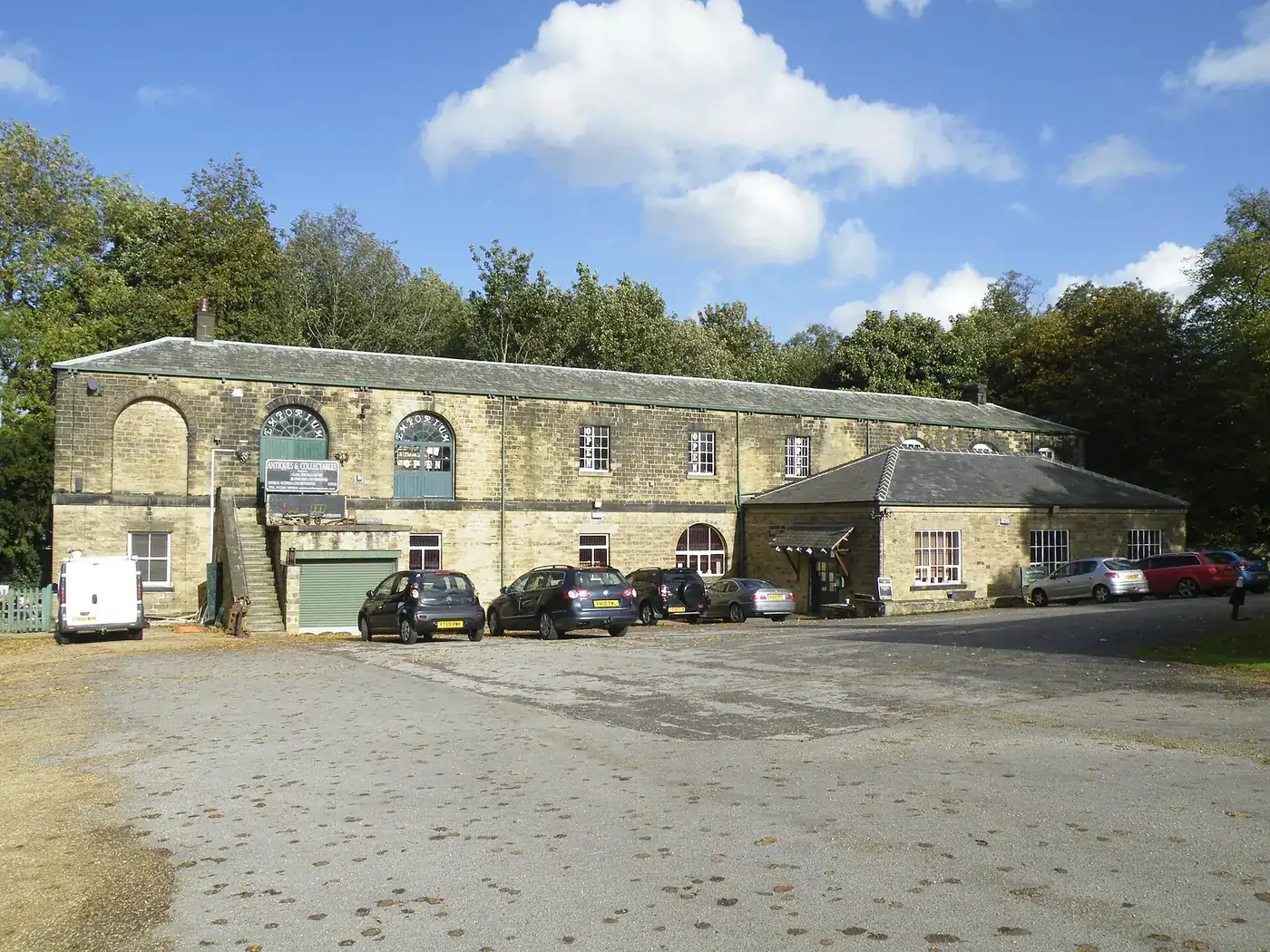
- Joinery Workshops, Wentworth by Terry Robinson, licensed under CC BY-SA 2.0
- Jock Hildebrand in his studio by Wikijartis, licensed under CC BY-SA 4.0
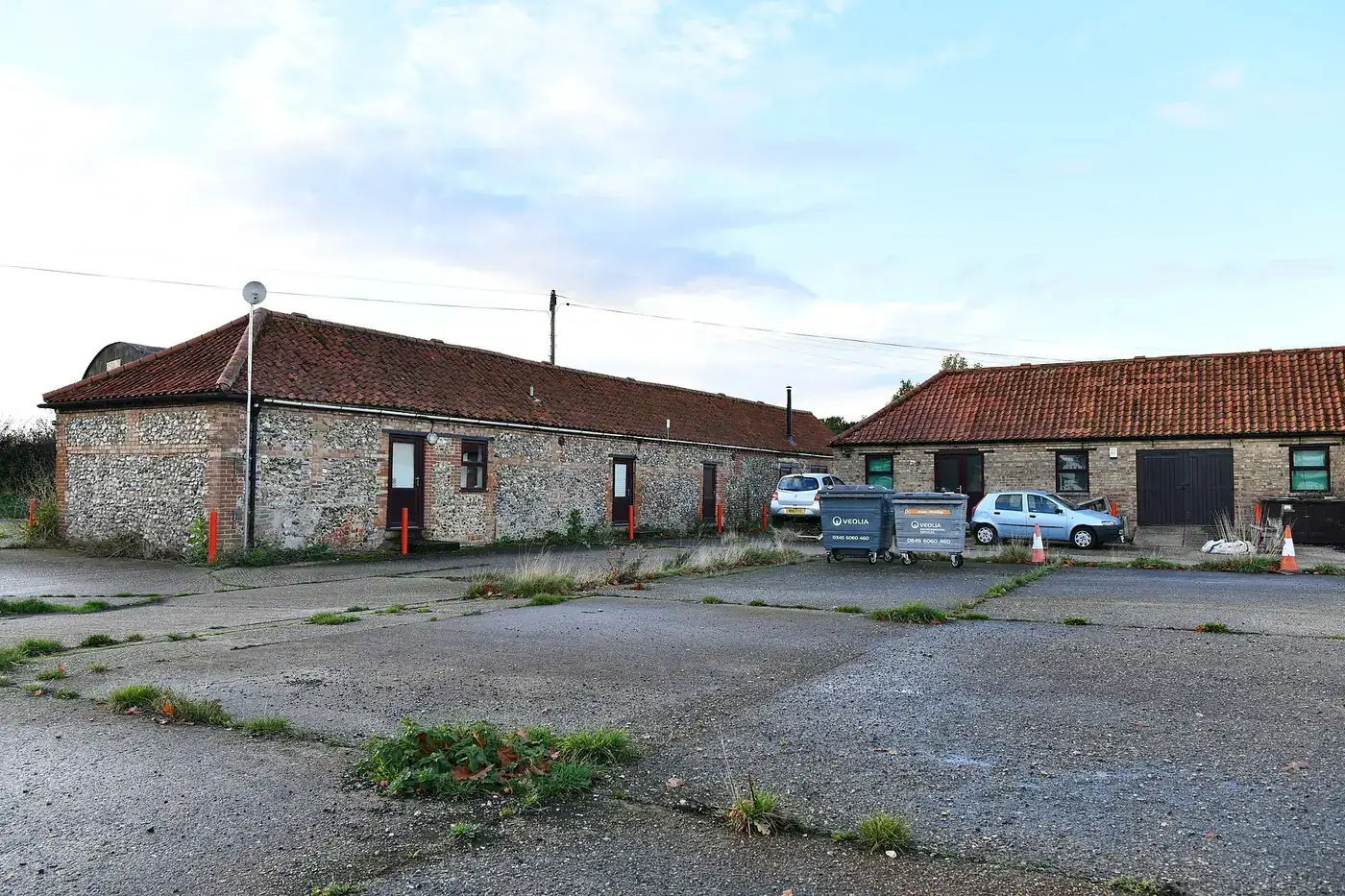
- Newton, Hill Farm Business Units by Michael Garlick, licensed under CC BY-SA 2.0
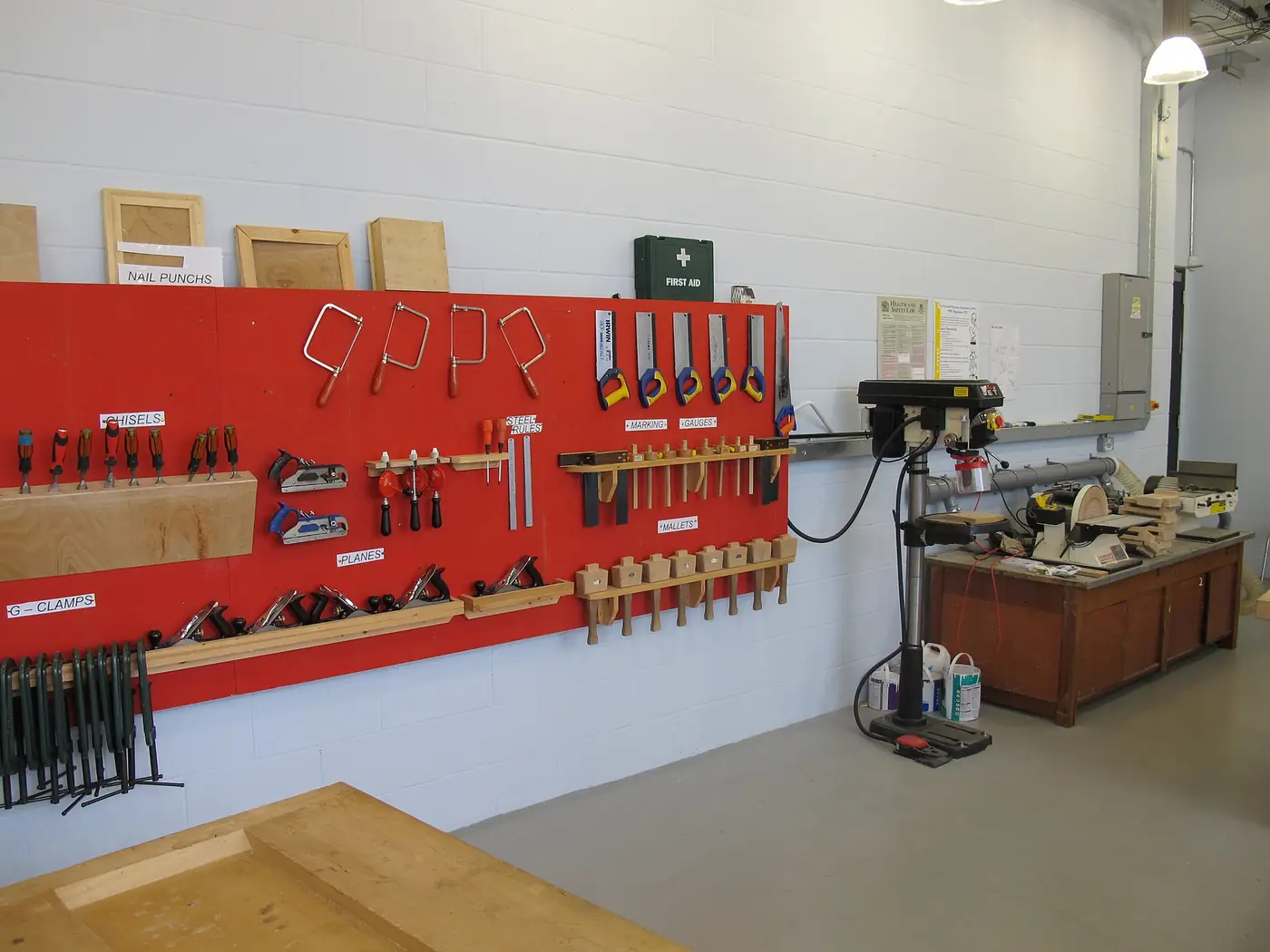
- City of Westminster College - woodwork workshop by David Hawgood, licensed under CC BY-SA 2.0


