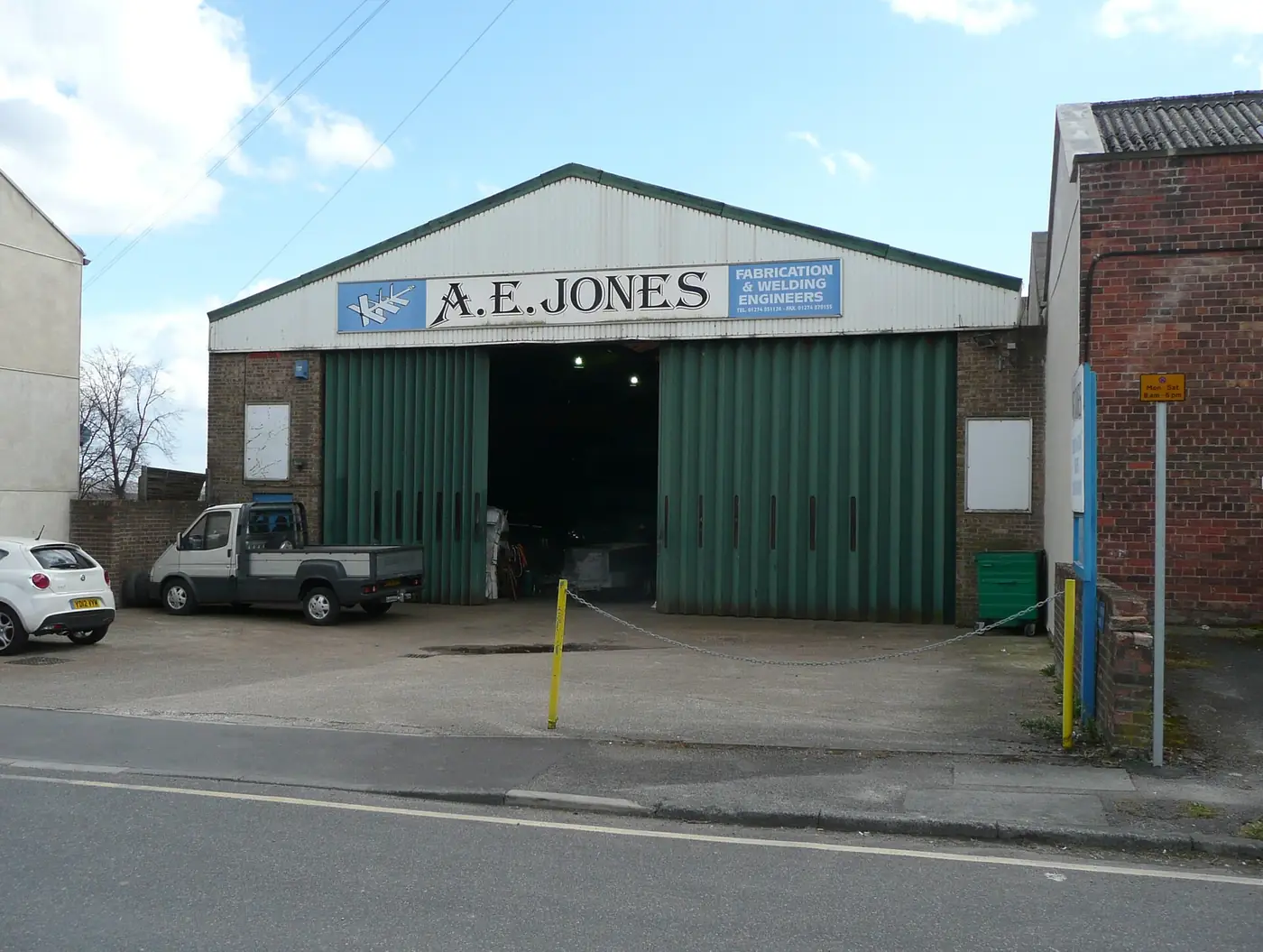
In short: a farm workshop is ground-floor space on a farm let to a trade, maker or small manufacturer. Look for:
- the right power supply (single or three-phase);
- a door wide enough for your vehicles and materials;
- parking and turning space;
- a planning position that allows your work.
Explain the noise, dust, hours and traffic your business involves before you agree terms.
Why rent a workshop on a farm?
Farm workshops give businesses things that town units often can't: wide doors, high eaves, yard space and parking, at a lower rent. Noisy or messy work, such as metalwork, joinery or vehicle repair, is easier away from houses. Farmers are often happy to let space to the trades they already know.
Who rents farm workshops?
- Joiners, carpenters and cabinet makers
- Metal fabricators, welders and blacksmiths
- Vehicle, agricultural and plant mechanics
- Builders, electricians, plumbers and landscapers needing a base and storage
- Furniture restorers, upholsterers, sign makers and other craft businesses
- Small food producers, where the building can be made suitable
What to look for in a farm workshop
| Feature | What to ask |
|---|---|
| Power | Is the supply single-phase or three-phase? How many amps? Is it separately metered? |
| Doors and height | What are the door width and height, and the eaves height? |
| Floor | Is it concrete, level and strong enough for machinery? |
| Light and heat | Is there natural light? Can you install heating safely? |
| Water and welfare | Is there a sink, toilet and somewhere for a kettle? |
| Access | Can your vans, trailers and deliveries reach the door and turn? |
| Neighbours | Are there houses, livestock or other tenants close by? |
| Fire safety | Who is responsible for the fire risk assessment? Are there extinguishers? |
| Alterations | Can you fit machinery, benches, extraction or a three-phase supply? |
Our viewing checklist covers what to inspect in person.
Check the planning use
Not every farm building has permission for workshop use. Light industrial work can fall within Class E, and heavier general industrial uses fall within Class B2. In England, Class R permitted development can allow some changes from agriculture, with conditions. B2 uses under Class R are limited to processing goods produced on the site. Ask the owner to confirm the permitted use, and check any conditions on hours or noise. Vehicle repair and some processes may also need environmental permits or other licences.
What does a farm workshop cost?
Workshop rents are usually quoted per square foot per year or as a monthly figure. They depend on location, building quality and facilities: a lined, insulated unit with three-phase power costs more than a basic shed. On top of the rent, budget for:
- business rates, though small business rate relief may reduce them to nothing;
- electricity, which can be significant for machinery;
- VAT, if the owner has opted to tax;
- insurance for your tools, stock and public liability;
- a deposit, often one to three months' rent.
Have a workshop on your farm?
A practical workshop with good access lets readily to local trades. In your listing, include the power supply, door and eaves sizes, floor area, parking and the kinds of work you will and won't accept. See how to set an asking rent for your farm unit, then list your workshop free.
Frequently asked questions
Do farm workshops have three-phase power?
Some do, especially former machinery or grain-drying buildings, but many have only single-phase. Always ask, and check the capacity. Upgrading to three-phase can be expensive and needs the owner's consent.
Can I run a car repair business from a farm workshop?
Possibly, but vehicle repair needs suitable planning permission and must manage oil, waste and noise properly. Check the permitted use with the owner and the local planning authority before you commit.
Who is responsible for fire safety in a rented workshop?
Usually the tenant, for the area they control, and the landlord for shared areas. A written fire risk assessment is required for non-domestic premises. Agree responsibilities in the lease.
Can I put up a sign for my business?
Ask the owner first. Signs may need their permission, and some need advertisement consent from the council, particularly if illuminated or in protected areas.
Photo credits
Photographs are reproduced under Creative Commons licences and have been resized and cropped.
- Metal fabrication workshop, Mortimer Street by Humphrey Bolton, licensed under CC BY-SA 2.0
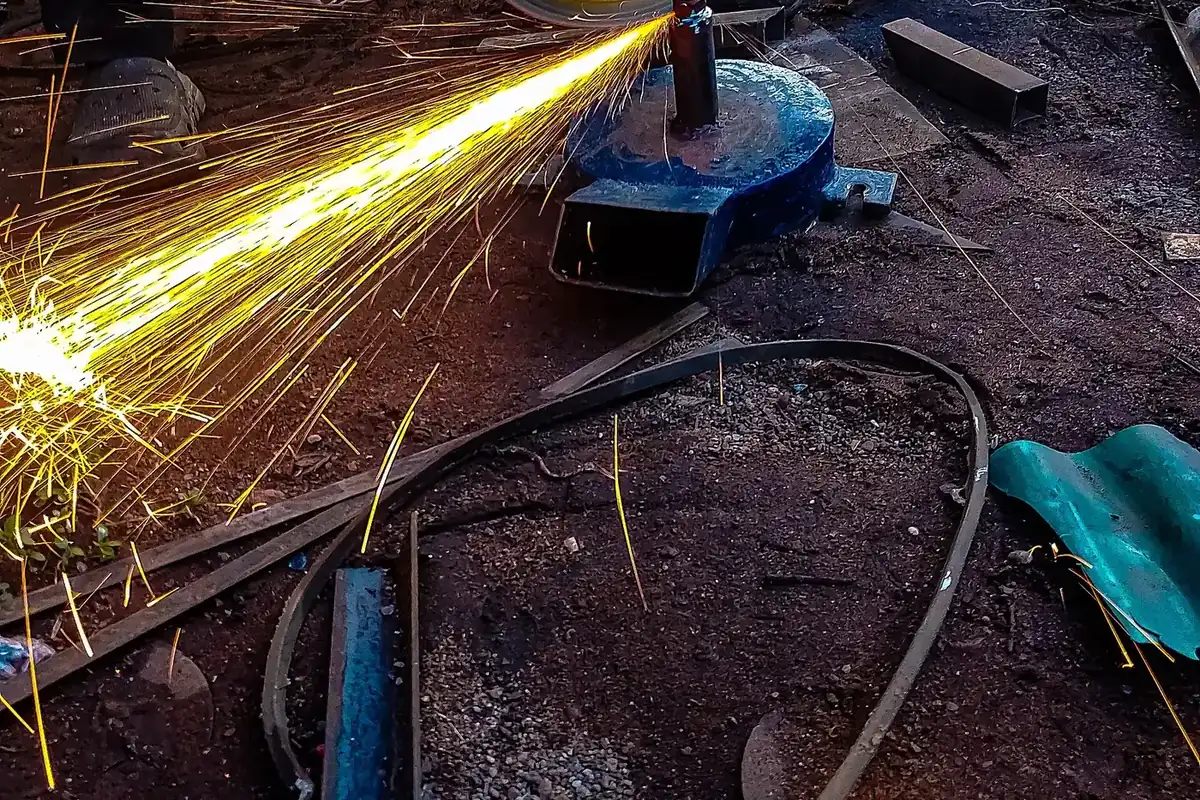
- Shower of Sparks by Colowokanga, licensed under CC BY-SA 4.0

