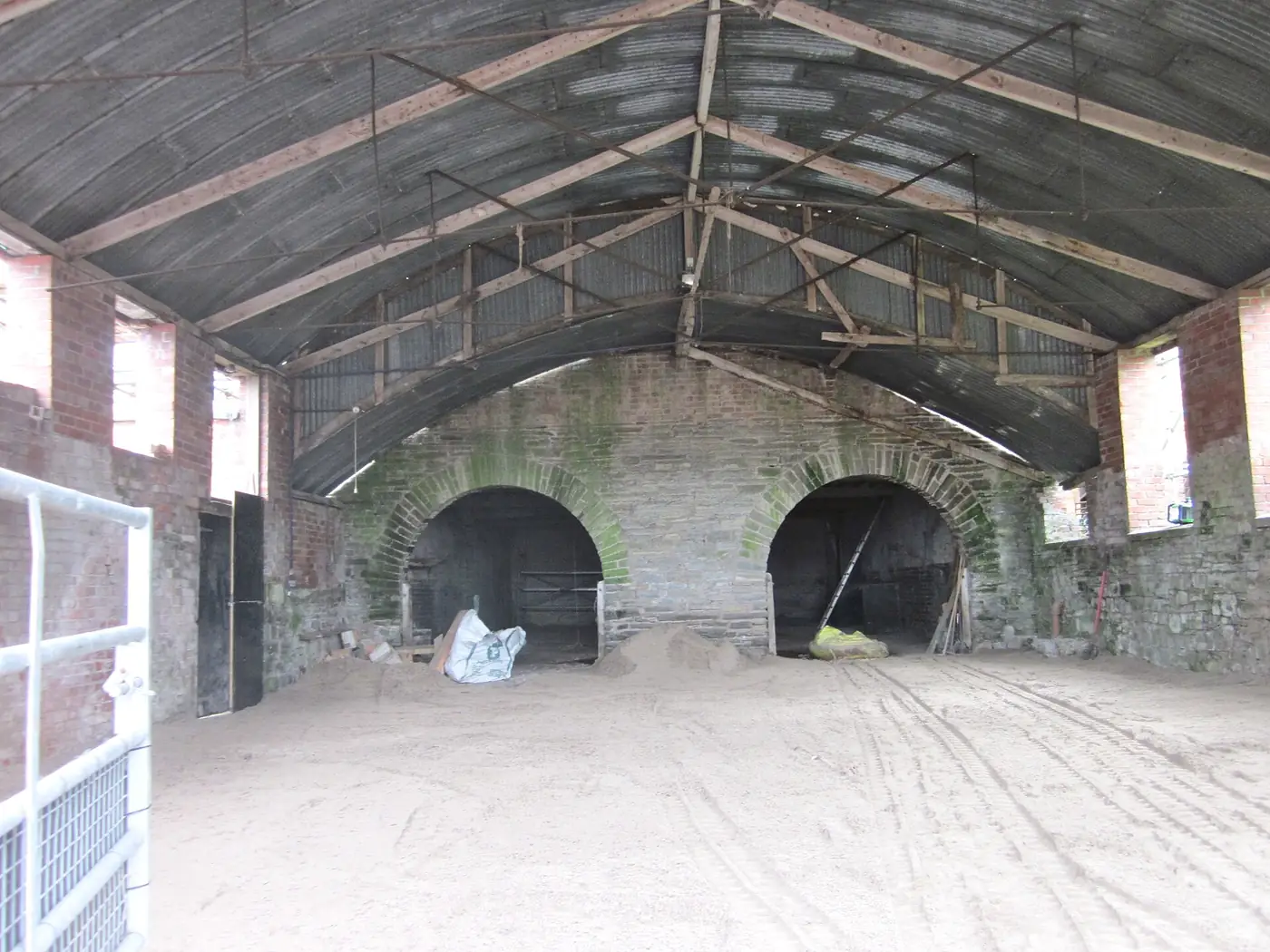
In short: farm storage units are dry, secure spaces in farm buildings, let to businesses and individuals for stock, vehicles, equipment, materials and archives. They are often cheaper than self-storage or industrial units in town, and many have room for vans and lorries. When comparing units, check the floor area and door size, vehicle access, security, access hours and the full monthly cost.
What is a farm storage unit?
A farm storage unit can be anything from a lockable bay inside a larger building to a whole barn or a secure container on a yard. Owners let space they no longer need for farming, such as grain stores, machinery sheds and general-purpose agricultural buildings. Storage is often the first use a farm building is let for, because it needs little alteration and brings few visitors.
Who rents storage on farms?
- Trades and contractors storing tools, materials and plant between jobs.
- Online retailers and wholesalers keeping stock close to home.
- Vehicle owners storing caravans, motorhomes, boats, classic cars and trailers.
- Event and hire businesses storing marquees, staging and seasonal equipment.
- Removals and furniture businesses that need bulk space.
- Households and small businesses needing archive, furniture or seasonal storage.
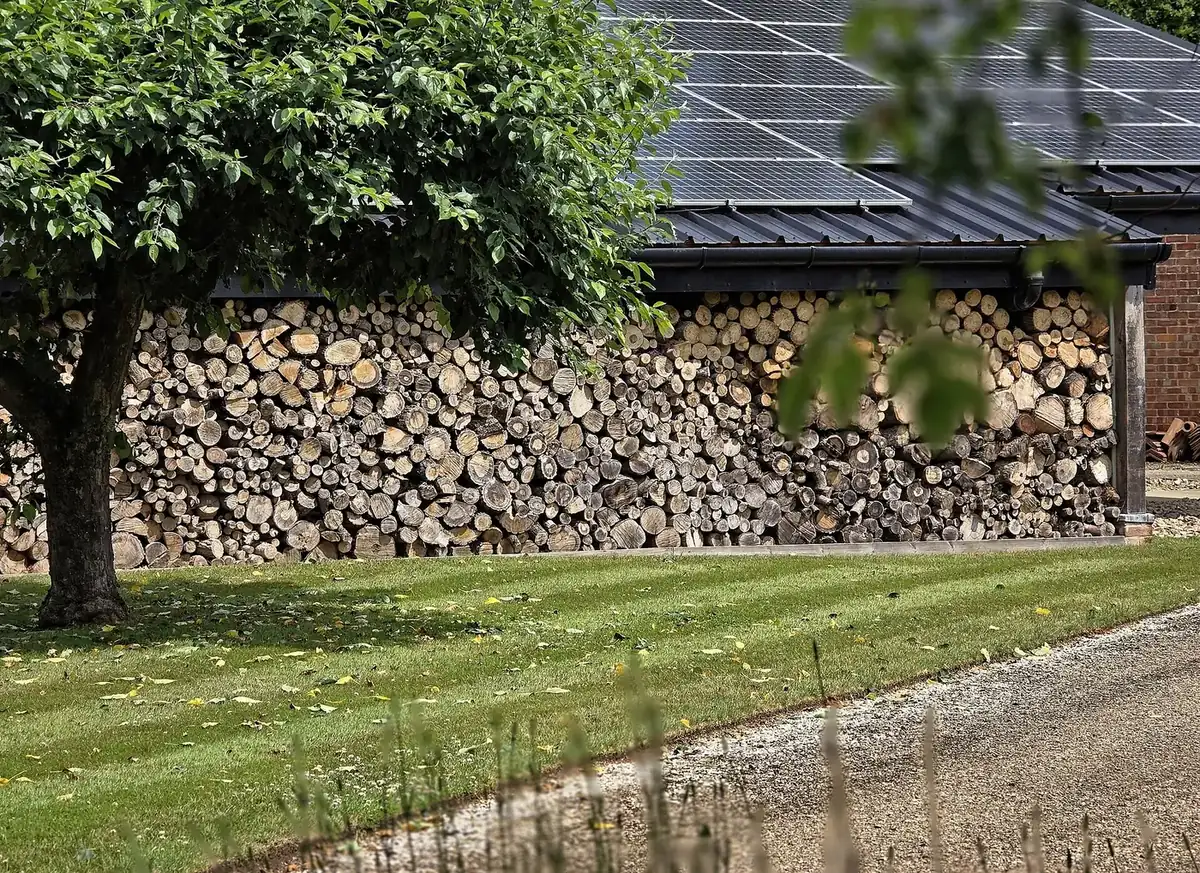
What to check before you rent
| Check | Why it matters |
|---|---|
| Floor area and height | Make sure the space fits your stock, racking or vehicles, with room to move. |
| Door width and height | Roller shutters and wide doors make loading far easier; measure your largest vehicle. |
| Dryness | Look for roof leaks, damp walls and condensation, especially for stock, paper or furniture. |
| Security | Lockable doors, gated access, lighting and CCTV reduce theft risk and can lower insurance costs. |
| Vehicle access | Check the track, gate widths and turning space for vans, lorries or trailers. |
| Access hours | Some farms allow 24-hour access; others restrict it to daytime or by arrangement. |
| Power and lighting | Useful even for storage, for lighting, charging and alarms. |
| Shared space | Find out whether loading areas or the building itself are shared with the farm or other tenants. |
| Restricted goods | Owners and insurers may exclude fuel, chemicals, gas cylinders or hazardous goods. |
Use our viewing checklist when you visit.
How much does farm storage cost?
Rents depend on location, size, condition and security. Bulk storage in a basic building is usually charged per square foot per year. Vehicle, caravan and container storage is more often a fixed monthly fee per space. Ask whether the rent includes:
- business rates: storage units are normally rated, and many small units qualify for small business rate relief;
- VAT: only charged if the owner has opted to tax the building;
- electricity and any service charge for shared areas;
- insurance: the owner insures the building, and you insure your goods.
Planning and insurance
Using an agricultural building for commercial storage is usually a change of use. It may need planning permission or fall within permitted development rights, such as Class R in England, which covers storage and distribution. Ask the owner to confirm the position. Your own contents insurance should reflect where and how your goods are stored.
Have storage space on your farm?
Storage is one of the simplest ways to earn income from a spare building. To attract good tenants:
- Make the building dry, secure and clean.
- Measure the floor area, door size and eaves height.
- Photograph the entrance, interior, floor and access in daylight.
- State the rent, what it includes and the access hours.
- Say what you will and will not allow to be stored.
Read how to rent out an unused farm building, then list your storage space free during our launch.
Frequently asked questions
Is farm storage cheaper than self-storage?
Often, especially for larger amounts of space or vehicle storage. Farm buildings are usually priced below purpose-built self-storage or modern industrial units. Compare the full cost, including business rates and any VAT, rather than the headline rent.
Can I store a caravan or motorhome on a farm?
Many farms offer covered or open caravan and motorhome storage. Check the security, access hours, insurance requirements and whether the space is covered before agreeing.
Can I get 24-hour access to farm storage?
Some owners offer it, while others limit access to set hours or by arrangement. Agree access hours in writing before you sign.
Who insures goods in a farm storage unit?
You do. The owner normally insures the building, and you should insure the goods you store. Tell your insurer the type of building and the security in place.
Photo credits
Photographs are reproduced under Creative Commons licences and have been resized and cropped.
- Leighton Model Industrial Farm 41 by Tyssil, licensed under CC BY-SA 4.0
- Blake Hall Essex log storage barn 01 by Acabashi, licensed under CC BY-SA 4.0

