In short: to rent out an unused farm building, check that you are free to let it and that the intended use has planning consent. Then work out who will pay business rates, make the building safe and weathertight, and set a rent based on comparable local space. Choose a written lease or licence that suits the arrangement, advertise the space clearly with good photographs, and vet enquiries before anyone moves in. Most small lettings can be done in a few weeks once the paperwork questions are answered.
Many farms have at least one building that no longer earns its keep: a grain store replaced by bigger kit, a dairy left empty when the herd went, or a run of stables nobody uses. Let to a local business, that building can bring in steady income, keep a roof over a structure that would otherwise decay, and bring useful people onto the farm. This guide walks through each step in the order you will meet it.
Step 1: Are you free to let the building?
Before anything else, confirm that the building is yours to let and that nothing stops you.
- Tenant farmers: if you farm under an Agricultural Holdings Act tenancy or a farm business tenancy, your agreement will almost certainly restrict subletting and non-agricultural use. Speak to your landlord before you advertise. Many landlords will agree, sometimes in exchange for a share of the rent.
- Mortgages and loans: lenders often need to consent to a new letting of mortgaged property. A short letter now avoids a breach later.
- Covenants and agreements: check the title for restrictive covenants. Also check any agri-environment or grant agreements that tie the building to a particular use.
- Insurance: tell your insurer about the proposed letting. Farm policies rarely cover a third-party business operating in a building without a change to the cover.
Step 2: Check the planning position
Letting a building for storage, a workshop or an office is usually a change of use from agriculture. In most cases a change of use needs planning permission unless a permitted development right applies.
In England, Class R permitted development allows an agricultural building to change to a "flexible commercial use". That covers storage and distribution (B8), uses within Class E such as offices, light industry and some shops, hotels, outdoor sport and recreation, and agricultural training. The main limits are:
| Class R condition | What it means in practice |
|---|---|
| Agricultural history | The building must have been used solely for agriculture as part of an established agricultural unit. For buildings brought into use after 3 July 2012, that means at least 10 years of agricultural use. |
| Size | Up to 1,000 square metres of floorspace in total can change under Class R on one agricultural unit. |
| Up to 150 m² | You only need to notify the council before the use begins. |
| Over 150 m² | You must apply to the council for a decision on whether prior approval is required (covering transport, noise, contamination and flood risk). |
| Exclusions | Listed buildings, scheduled monuments and certain safety hazard or military areas do not qualify. |
Class R covers the use, not building work. New windows, doors or extensions may need a separate planning permission. Wales, Scotland and Northern Ireland run their own planning systems, so check with your local planning authority. Even in England, a quick pre-application conversation with the council planning team is often the cheapest way to avoid a mistake. The Planning Portal's change of use guidance and the Class R legislation are good starting points.
Step 3: Understand business rates
Agricultural buildings used for agriculture are exempt from business rates. Once a building is let for a non-agricultural business use, that exemption usually stops applying. The Valuation Office Agency will then assess the building and give it a rateable value.
The occupier normally pays the rates, so on a typical letting your tenant pays them, not you. Two points matter for you as the owner, though:
- Small business rate relief is available in England where the occupier's property has a rateable value of £12,000 or less (100% relief), tapering to nothing at £15,000 (GOV.UK). Many small farm units fall within this band, which makes them more attractive to tenants. The 2026 revaluation took effect on 1 April 2026, so use current figures.
- Empty periods: when a unit stands empty, the owner usually becomes liable. There is a rate-free period of three months, or six months for industrial buildings such as warehouses, before charges begin (GOV.UK).
Scotland, Wales and Northern Ireland have their own relief schemes with different thresholds.
Step 4: Decide between a lease and a licence
How you document the arrangement affects your control over the building.
- Licence: suits informal or shared arrangements, such as storage space inside a building you still use, where the occupier does not have exclusive possession. Be careful: the label on the document does not decide the question. If someone in fact has exclusive possession of a defined space for a rent, the courts are likely to treat it as a lease.
- Lease: gives the tenant exclusive possession of a defined unit for a term. In England and Wales, a business lease is normally protected by Part II of the Landlord and Tenant Act 1954. The tenant then has a right to renew at the end of the term unless the lease is "contracted out" before it is signed. Contracting out involves serving a warning notice and the tenant making a declaration. Leases of six months or less are generally outside the Act.
Most small farm lettings use a short contracted-out lease of one to five years with a break clause. The Law Commission is currently reviewing the 1954 Act, so the rules may change. A solicitor experienced in rural or commercial property can usually prepare a straightforward lease for a modest fixed fee.
Step 5: Get the building ready
A tenant wants a dry, secure, safe space with the basics in working order. You do not need a full conversion. Concentrate on:
- Weathertightness: repair roof sheets, gutters and doors.
- Security: lockable doors, and gates or lighting where appropriate.
- Electrics: a recent electrical installation condition report (EICR) from a qualified electrician.
- Fire safety: a fire risk assessment, suitable extinguishers and clear escape routes.
- Asbestos: older farm buildings often contain asbestos cement sheeting. If the building was built before 2000, you have a duty to manage any asbestos.
- Energy performance certificate: needed for most lettings, although many unheated agricultural-type buildings are exempt.
Our checklist for preparing a farm building for a tenant covers each item in detail.
Step 6: Set the rent and terms
Look at what comparable space nearby is advertised for, adjust for the condition, access and facilities of your building, and decide what the rent includes. Common questions to settle before you advertise:
- Is the rent quoted per month, per quarter or per year?
- Will you charge VAT? Rent on commercial property is VAT-exempt unless you have opted to tax the building.
- Who pays for electricity, water, broadband and insurance of the contents?
- Is a deposit or rent in advance required?
- What hours can the tenant access the site, and which routes can vehicles use?
Our guide on how to set an asking rent for your farm unit explains how to work out a figure.
Step 7: Advertise the space
A clear advert answers the questions a business will ask before it picks up the phone: where it is, how big it is, what it costs, and what it can be used for. Include:
- six to ten photographs: the outside, the entrance, the interior, the floor, power points and access;
- floor area and door and eaves heights;
- the rent, what it includes and whether VAT applies;
- facilities such as power (single or three-phase), water, toilet, parking and broadband;
- the uses you will and will not consider.
You can list your farm unit on FarmUnits for free during our launch. See also where to advertise farm buildings, workshops and storage units for the other options.
Step 8: Vet enquiries and agree terms
Talk to each enquirer about what they plan to do, how many vehicles and visitors they expect, the hours they will keep, and any noise, fumes or waste. Ask for references from a previous landlord and a trade reference, and consider a credit check for larger units. Show them around in person, agree heads of terms in writing, and then let your solicitor prepare the lease.
When the tenant moves in, record the condition of the building with dated photographs and meter readings. That record will save arguments when the tenancy ends.
Frequently asked questions
Do I need planning permission to rent out a farm building?
Usually, if the building will be used for something other than agriculture. In England, Class R permitted development may allow a change to storage, offices, light industry and other commercial uses without a full planning application, subject to conditions and size limits. Check with your local planning authority before letting.
Who pays business rates on a let farm building?
The occupier normally pays. That means your tenant, once the building is used for a non-agricultural business. A small unit may qualify for small business rate relief, which can reduce the bill to nothing. The owner usually becomes liable when the unit is empty, after a rate-free period.
Should I use a lease or a licence?
Use a licence only where the occupier genuinely shares the space or does not have exclusive possession. For a self-contained unit, a lease is usually more appropriate. In England and Wales, consider contracting it out of the Landlord and Tenant Act 1954 so that the tenant does not gain an automatic right to renew.
Can a tenant farmer let out a building?
Only with the landlord's consent in most cases. Agricultural tenancy agreements usually restrict subletting and non-agricultural use, so check your agreement and speak to your landlord first.
Does letting a farm building affect inheritance tax relief?
It can. Buildings let to non-farming businesses may no longer qualify for agricultural property relief, and letting is generally treated as an investment activity for business relief. With the April 2026 changes to these reliefs (read our summary), take advice from a tax adviser before you let.
Next steps
When you have answered the planning, rates and lease questions, the rest is practical work. Start your free FarmUnits listing and save it as a draft while you prepare the building.
This guide is general information for landowners in the UK, not legal, tax or planning advice. Rules differ between England, Wales, Scotland and Northern Ireland, and they change, so check the current position for your property.
Photo credits
Photographs are reproduced under Creative Commons licences and have been resized and cropped.
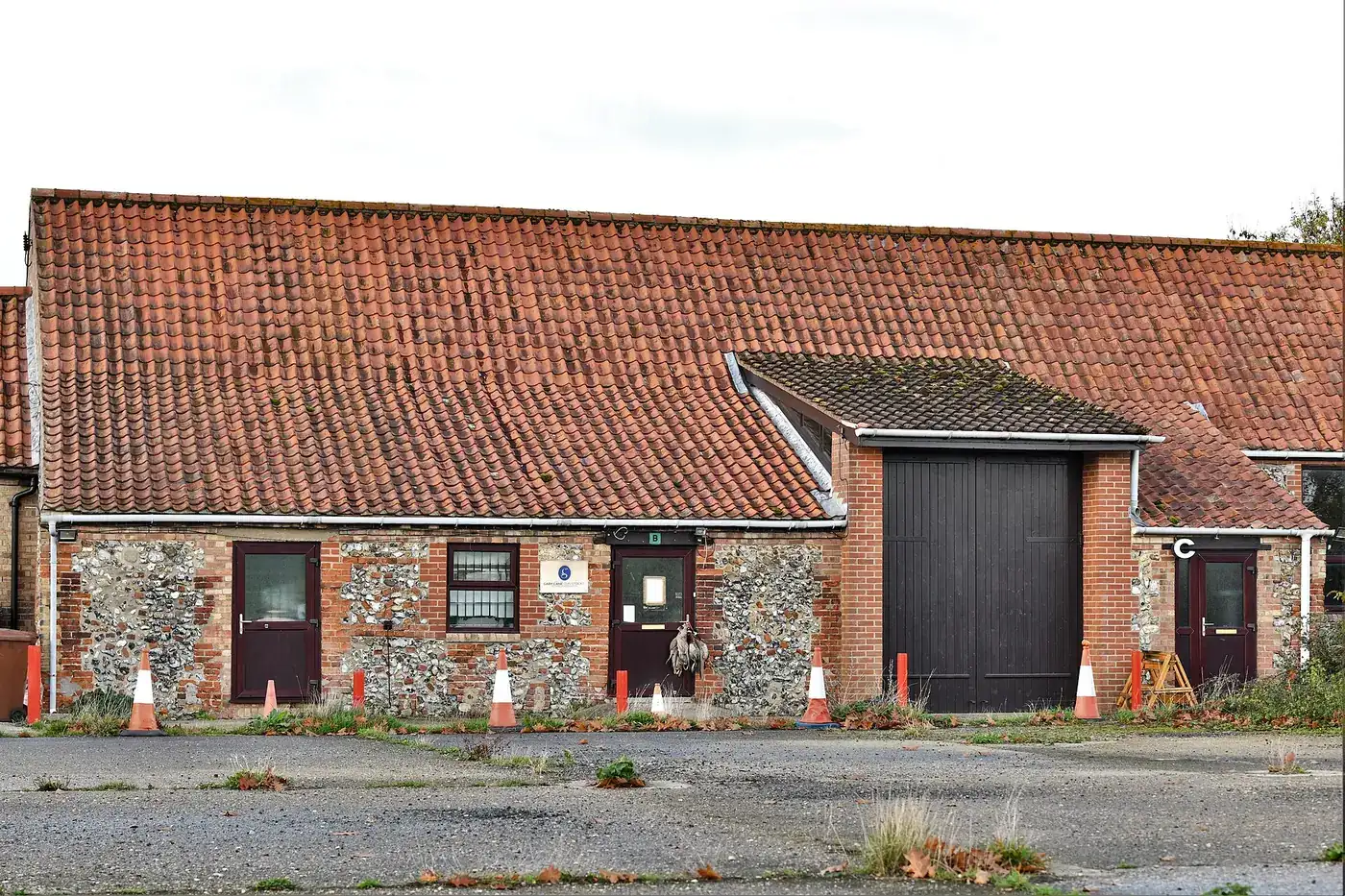
- Newton, Hill Farm Business Units by Michael Garlick, licensed under CC BY-SA 2.0
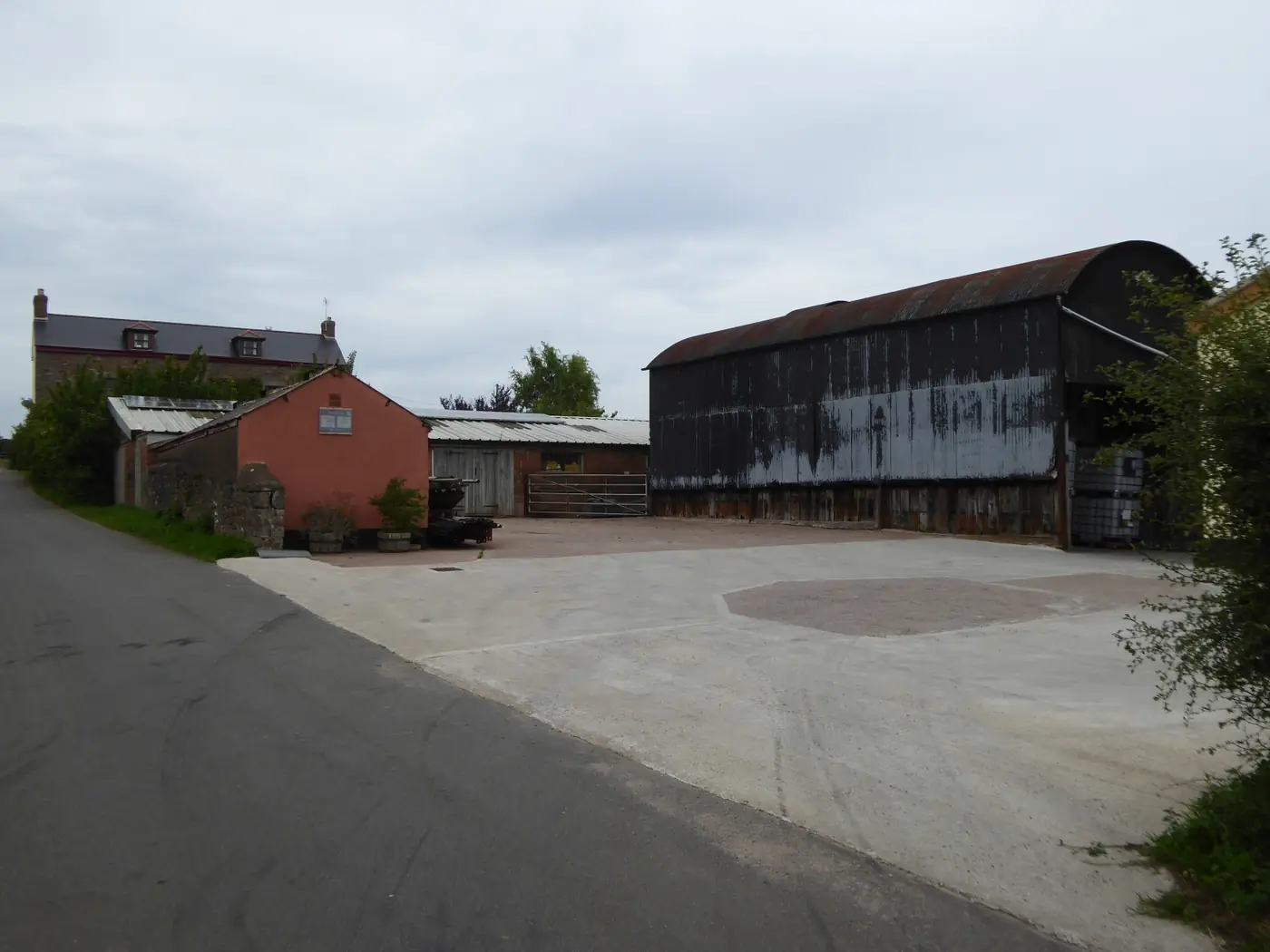
- The farmyard and buildings at Ebear Farm by David Smith, licensed under CC BY-SA 2.0
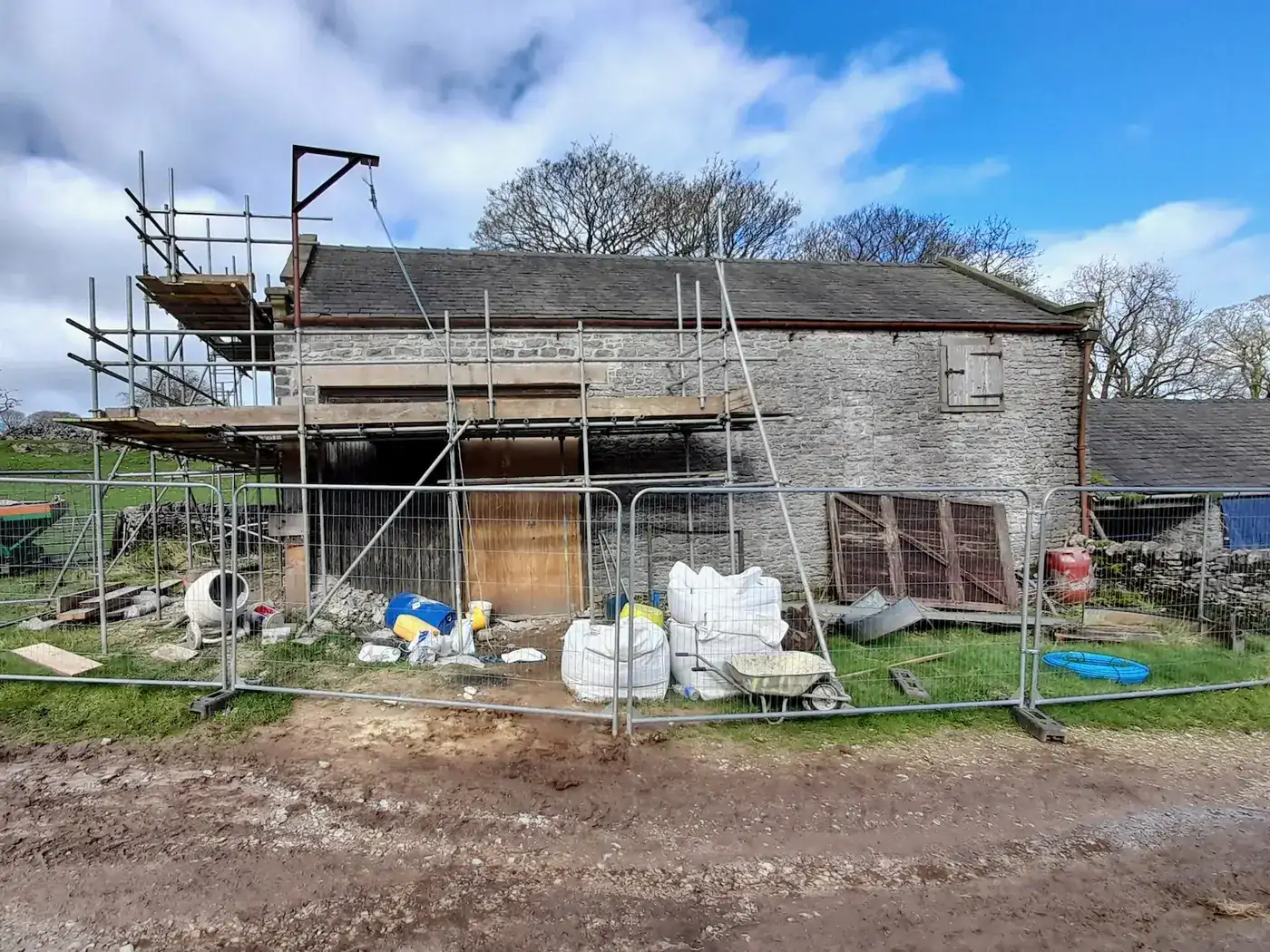
- Barn renovation at One Ash Grange Farm by Ian Calderwood, licensed under CC BY-SA 2.0
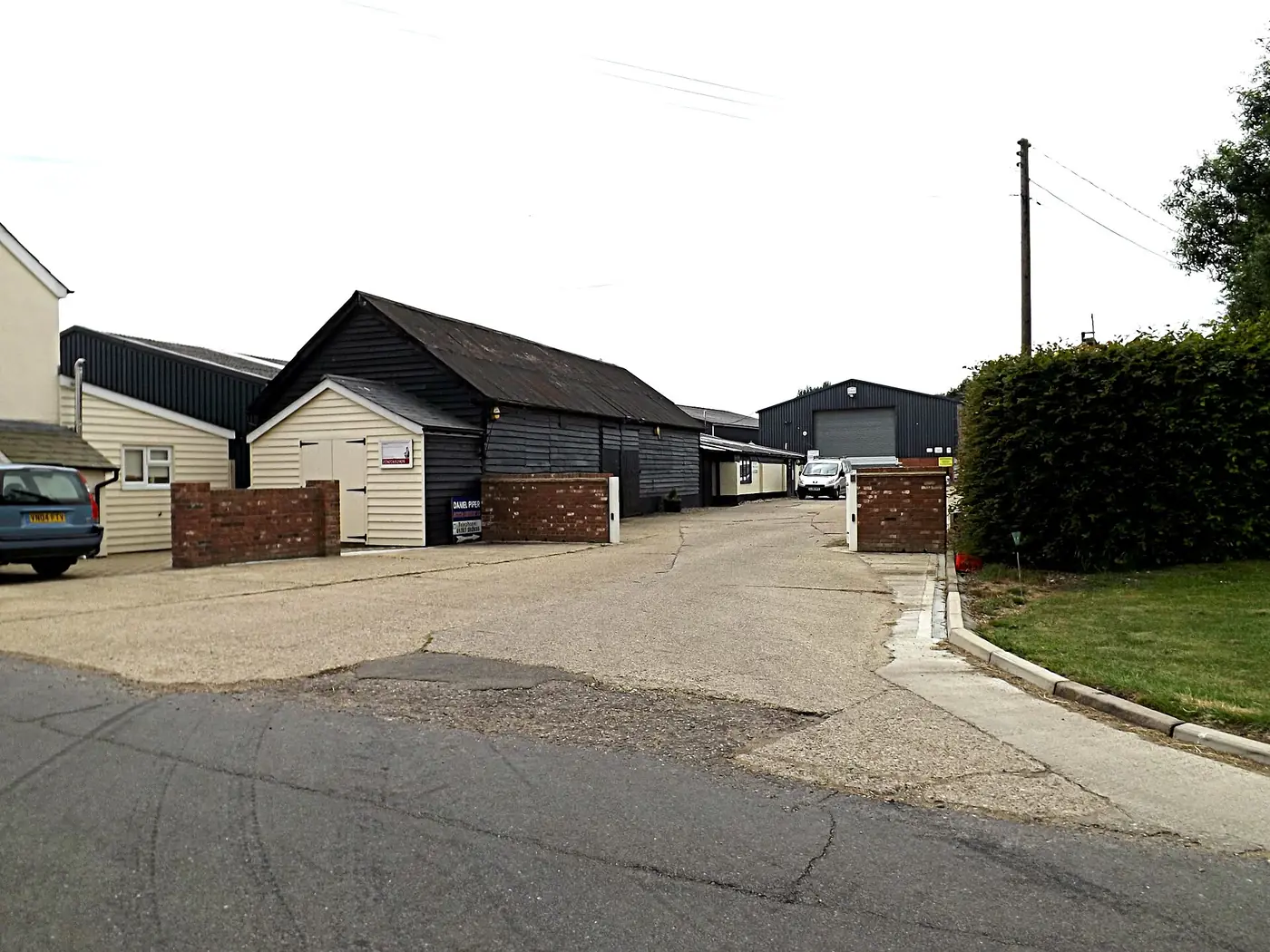
- Buntings Farm Business Units (geograph 4036596) by Adrian Cable, licensed under CC BY-SA 2.0


