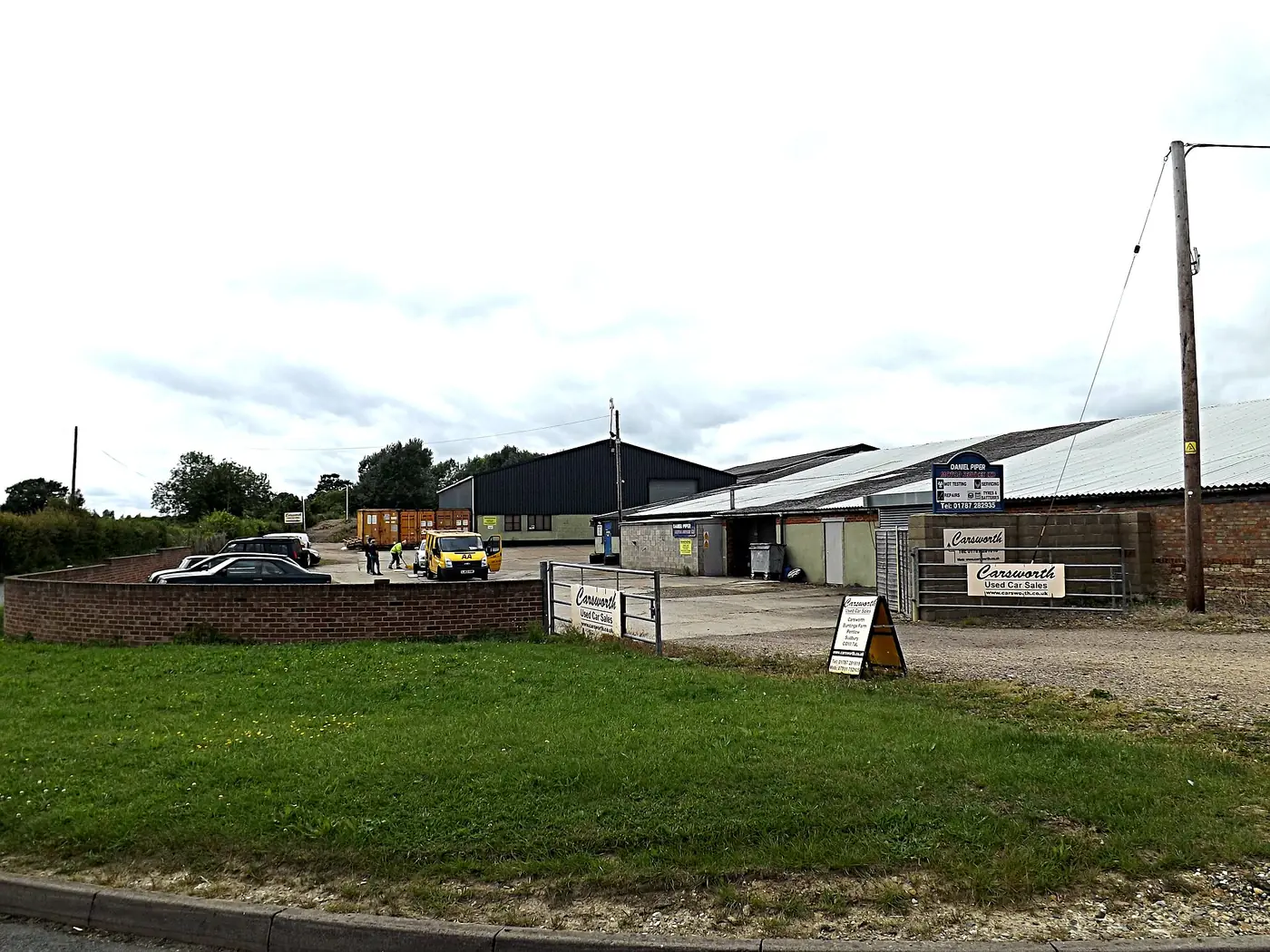
In short: the best place to advertise a farm unit depends on its size and the tenant you want. Small storage spaces and workshops usually let fastest through a mix of free or low-cost channels:
- a specialist listing site such as FarmUnits;
- local Facebook groups and business networks;
- a "to let" board at the farm entrance;
- word of mouth.
Larger or higher-value units, such as offices or big storage barns, may justify a commercial letting agent, who can also put them on the main commercial property portals. Most owners use several channels at once, with a single detailed advert that all of them point to.
Advertising rural space is not like letting a house in town. The people who want a farm workshop or barn are often sole traders and small firms within 10 to 20 miles. They search in particular ways, and many never look at the big property sites. This guide compares your options so you can reach them without spending more than you need to.
Who is looking for farm units?
Knowing your likely tenant tells you where to advertise. Typical enquirers include:
- Trades and contractors: builders, electricians, landscapers and agricultural contractors who need a base, secure storage and room for vans or plant.
- Makers and small manufacturers: joiners, metal fabricators, furniture restorers, potters and food producers.
- Storage users: people storing vehicles, caravans, boats, stock, archives or seasonal equipment.
- Online sellers: e-commerce businesses that have outgrown the garage and want cheap, secure space.
- Office users: small professional firms and remote workers who prefer a rural setting with parking.
Most of these people search online with phrases such as "workshop to rent near [town]", "storage unit to rent", or "farm units to let". Many also ask around locally before they search at all.
Your advertising options compared
| Channel | Typical cost | Reach | Best for |
|---|---|---|---|
| Specialist farm unit listings (e.g. FarmUnits) | Free during our launch | People specifically looking for rural space | All unit types, especially smaller units |
| Commercial letting agent | Usually a fee based on a percentage of the first year's rent | Agent's contacts plus the portals they subscribe to | Larger, higher-value units and multi-unit sites |
| Commercial property portals | Generally through an agent | National, but dominated by urban stock | Offices and larger industrial space |
| Local Facebook groups and Marketplace | Free | Very local, fast-moving | Small storage and workshops |
| "To let" board at the farm entrance | Cost of the board | Passing traffic | Units on or near a busy road |
| Word of mouth, local business networks | Free | Trusted but limited | Filling units quickly with known people |
| Local press and parish magazines | Low | Older, local readership | Rural communities with limited online activity |
Specialist farm unit listing sites
A specialist site puts your space in front of people who already want rural premises. On FarmUnits, every unit gets its own page with photographs, floor area, rent, facilities and a map location. Enquiries come to you directly, and you speak with the prospective tenant yourself. No agent sits in the middle. Tenants can also save searches and get an email alert when a matching unit is listed, so a new listing reaches people who were already looking.
Listing on FarmUnits is free during our launch. Create your free listing and keep it as a draft until your photographs and details are ready.
Commercial letting agents and property portals
A commercial agent can value the unit, market it, carry out viewings, vet tenants and agree terms. Fees are commonly a percentage of the first year's rent, with marketing costs on top. Agree the fee in writing before you instruct an agent.
The main commercial property portals usually only accept listings from agents. They also tend to show urban industrial estates and offices alongside farm space, so a small barn can get lost among them. For a single storage bay or small workshop, the fee may be out of proportion to the rent. For a large barn, a multi-unit conversion or an office building, a local agent with rural experience is often worth it.
Social media and local groups
Local Facebook groups, such as village pages, "[town] business network" groups and buy-and-sell groups, are a very effective free channel for small units. Keep posts short and practical: a striking photograph, the size, the rent, the nearest town and a link to your full listing for the details. Most groups have rules on business posts, so read them first, and do not post the same advert repeatedly.
Facebook Marketplace and similar sites can generate a lot of enquiries, not all of them serious. Linking to a full listing filters out time-wasters. People who have read the details before getting in touch are far more likely to be suitable.
Signage at the farm entrance
A clear "to let" board at the road catches people who pass the farm every day, who are exactly the local businesses most likely to take a unit. Boards advertising the letting of commercial premises generally have deemed consent under the advertisement regulations in England, within size limits. Councils commonly describe this as up to 2 square metres for a single non-residential board. Check with your local planning authority if the farm is in a conservation area or a national landscape, or if you want something larger. See the government's guide to outdoor advertisements and signs.
Put a phone number or a short web address on the board, and make sure the details people find when they look you up match the board.
Word of mouth and local networks
Many rural units are let to someone who heard about them from a neighbour, a customer or an existing tenant. Tell your feed merchant, vet, contractors, the local agricultural show secretary and the chamber of commerce that you have space available. Existing tenants are a valuable source of referrals, because businesses tend to know other businesses that need space.
What makes any advert work
Whichever channels you use, the quality of the advert decides whether people enquire. A good advert:
- Leads with the essentials: type of space, size, rent and nearest town.
- Shows the space honestly in daylight photographs of the outside, the inside, the floor and the access.
- Gives measurements: floor area, door width and height, and eaves height for storage and workshops.
- States the costs clearly: rent, what it includes, VAT, deposit and service charges.
- Lists facilities: power (single or three-phase), water, toilets, parking, HGV access, broadband and security.
- Says what uses you will consider, and which you won't.
- Stays current: remove or update it as soon as the unit is let.
Our listing checklist covers each of these in more detail.
Frequently asked questions
Can I advertise a farm unit on Rightmove?
The big property portals generally accept listings from estate and letting agents, not private landlords. To appear there you would usually need to instruct an agent who subscribes to the portal. Specialist sites such as FarmUnits let owners list directly.
How much does it cost to advertise a farm building to rent?
It ranges from nothing to several thousand pounds. Social media, word of mouth and FarmUnits during our launch are free. A board costs the price of making it. Letting agents usually charge a fee based on a percentage of the first year's rent, plus marketing costs.
Do I need permission to put up a "to let" sign?
Usually not, if it is a single board of reasonable size advertising the letting of the premises it stands on. In England such boards generally benefit from deemed consent under the advertisement regulations. Stricter rules can apply in conservation areas and other protected areas, so check with your council if unsure.
Where do small businesses look for workshops to rent?
Mostly online, using local searches such as "workshop to rent near me", in local Facebook groups and through people they know. Advertising in several of these places at once, with one detailed listing to link to, gives the best chance of reaching them.
Next steps
Start with a complete, honest listing. List your farm unit free on FarmUnits, then share its link in local groups, on your board and with your contacts. To see what an empty building could be used for, read could your unused farm space suit a local business?
This guide is general information, not legal or planning advice. Advertising rules vary between UK nations and local areas.
Photo credits
Photographs are reproduced under Creative Commons licences and have been resized and cropped.
- Bunting's Farm Business Units by Geographer, licensed under CC BY-SA 2.0
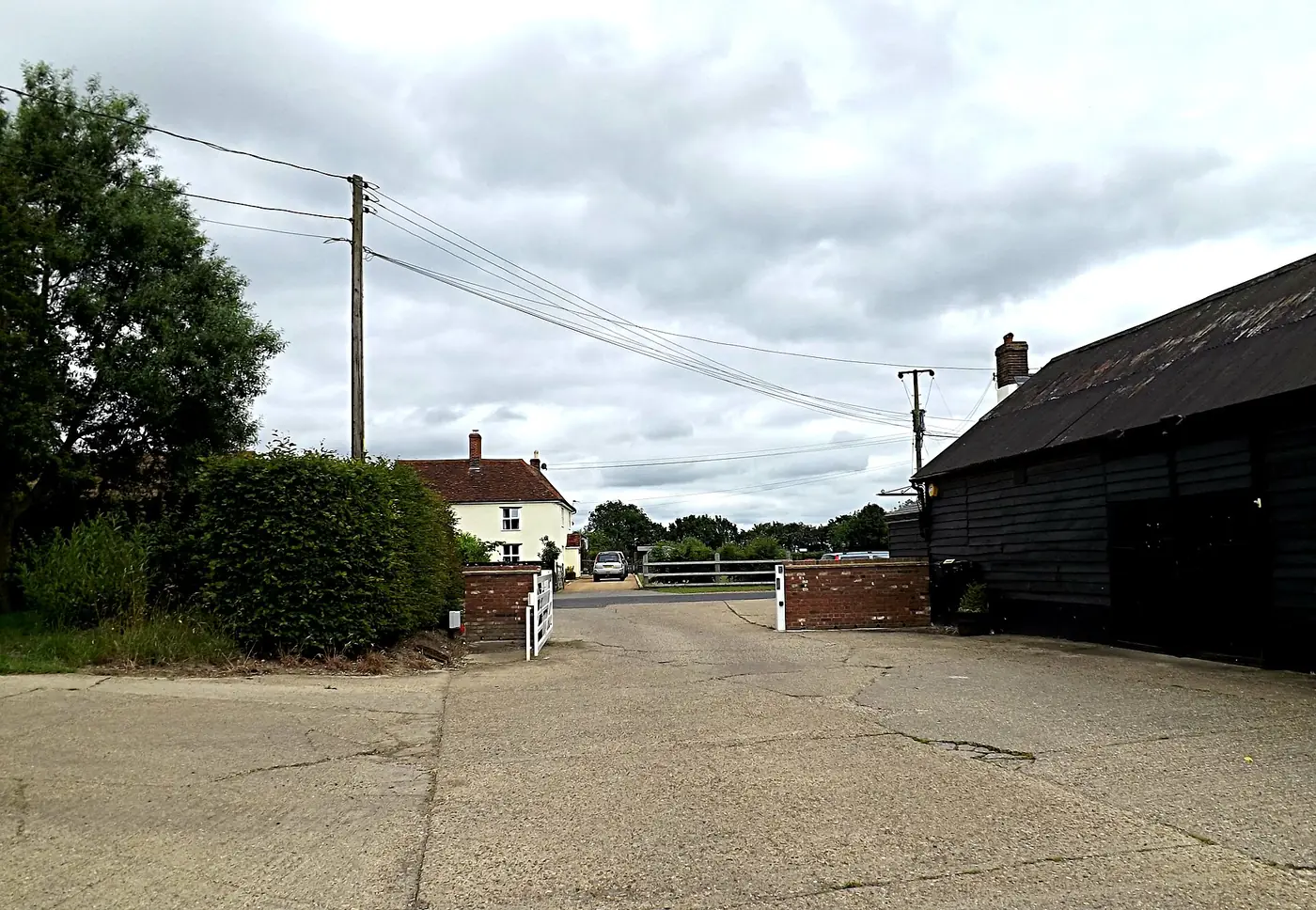
- Entrance of Bunting's Farm Business Units by Geographer, licensed under CC BY-SA 2.0
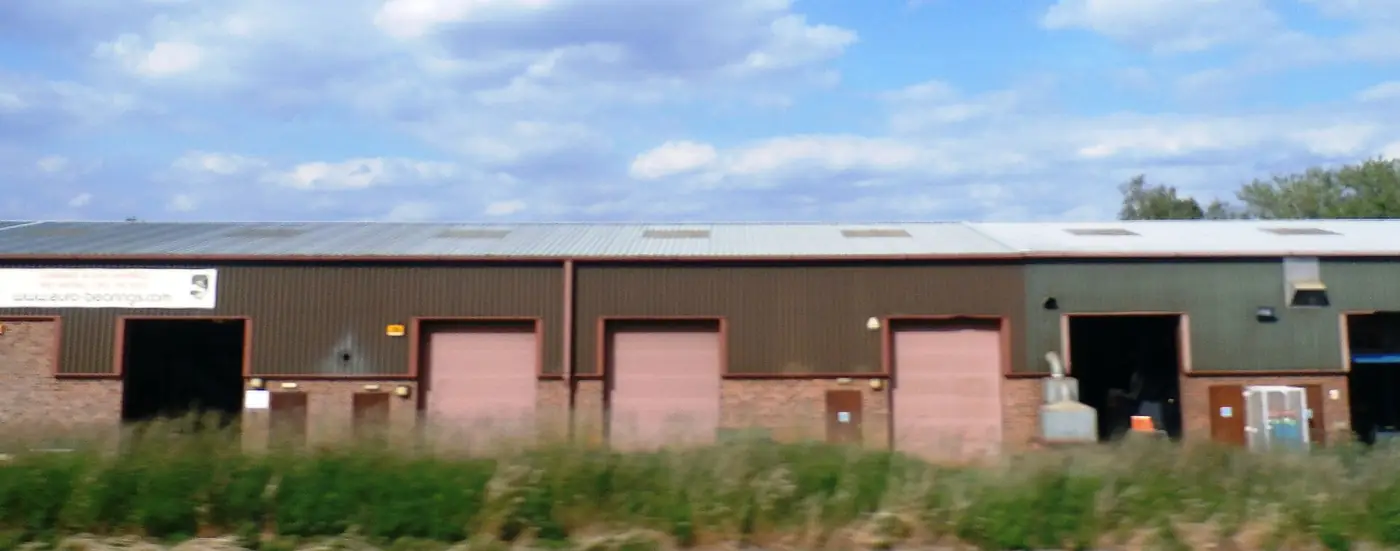
- Business Units at Lodge Farm by Anthony Parkes, licensed under CC BY-SA 2.0


