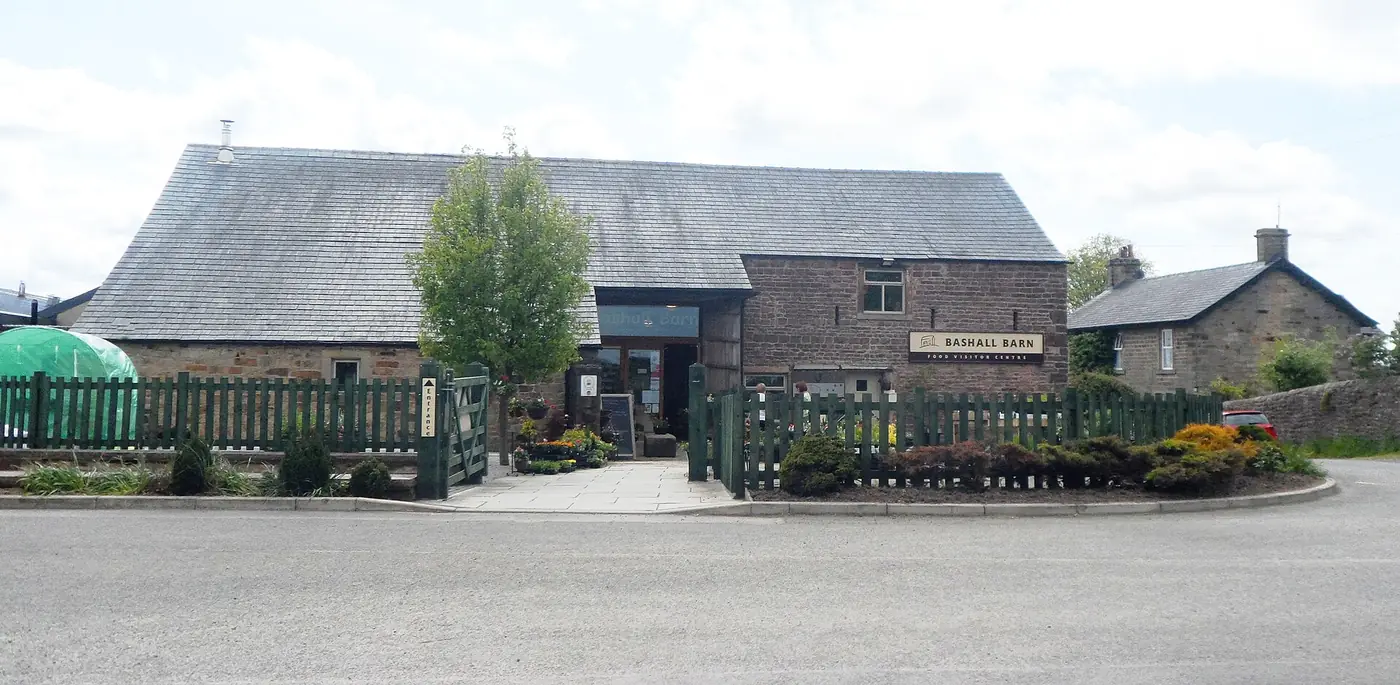
In short: almost any sound, dry farm building can suit a local business. The most common tenants are storage users, trades and contractors who need a workshop and yard, small manufacturers and makers, office users, and food and drink producers. The right fit depends on four things:
- the building's size and height;
- its access for vans or lorries;
- the power and water available;
- how much noise, traffic and visiting you are happy with.
Start from what the building already offers, not from what it might become after an expensive conversion.
Farmers often underestimate their spare buildings. A dark, empty grain store looks like a problem from the yard. To a joiner priced out of town, a classic car restorer, or an online retailer drowning in stock, the same building is exactly what they have been searching for. This guide sets out the businesses that most often rent farm space and what each one needs.
Storage
Who: people storing vehicles, caravans, boats, machinery, building materials, business stock, archives or household goods.
What they need: a dry, secure building with good vehicle access. Height and door size matter more than finishes. Many storage tenants visit only occasionally, which makes storage one of the least intrusive lets on a working farm.
Good fit for: open-fronted barns that can be secured, Dutch barns with added cladding, former grain stores and general-purpose sheds. Our page on farm storage units shows how storage space is advertised.
Some farms also site shipping containers on hardstanding to let as small, individually locked storage units. Check the planning position first, because containers placed for a business use can need planning permission.
Workshops for trades and contractors
Who: builders, electricians, plumbers, landscapers, tree surgeons, agricultural and groundwork contractors, vehicle and machinery mechanics.
What they need: a ground-floor space with a wide door, power (often three-phase for larger machinery), parking for vans and sometimes trailers or plant, and secure overnight storage. Many like a small office corner or a welfare area.
Good fit for: steel portal-frame buildings, former machinery sheds and workshops. See farm workshops to rent.
Makers and small manufacturers
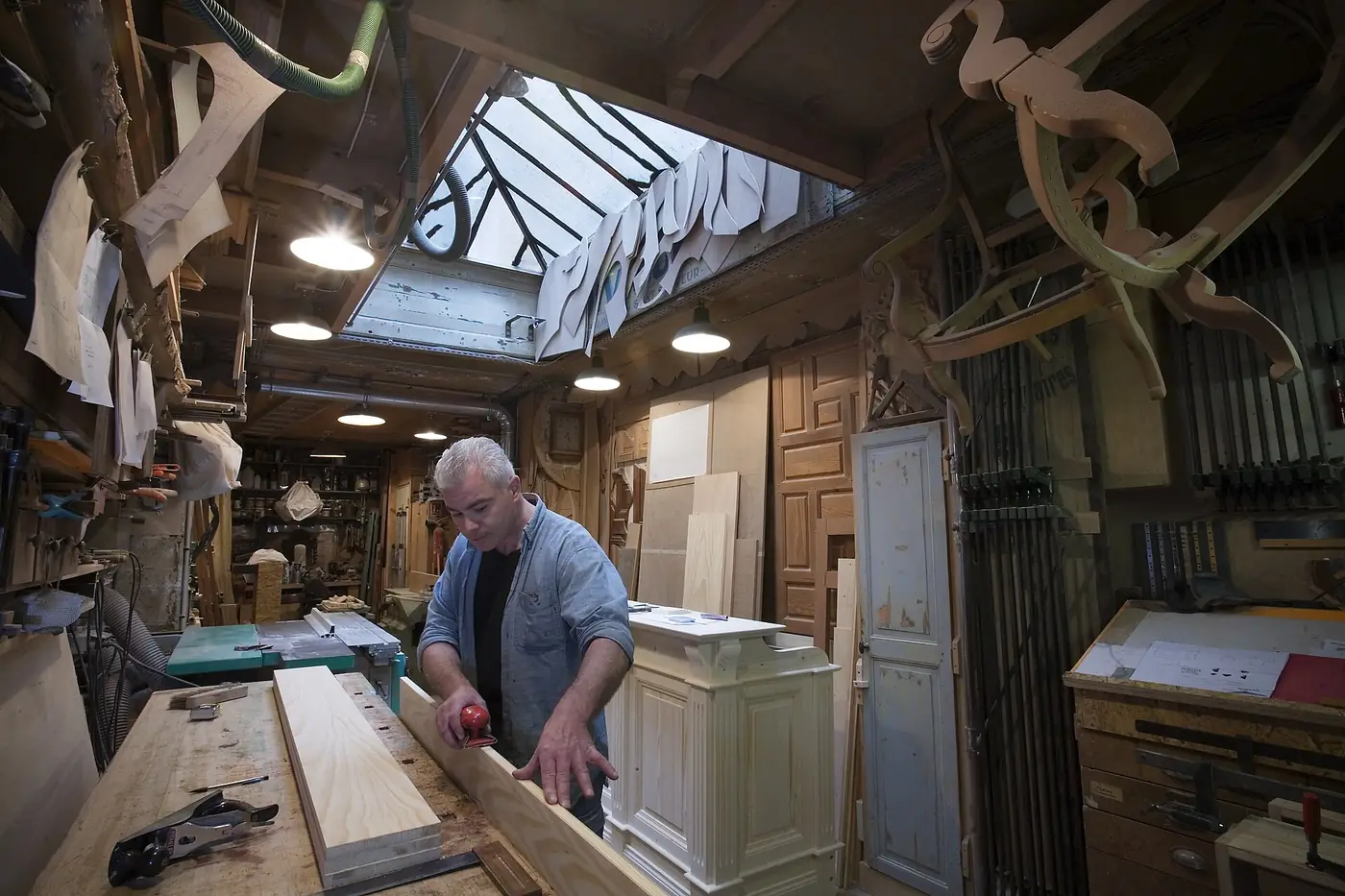
Who: joiners, cabinet makers, furniture restorers, blacksmiths and metal fabricators, potters, upholsterers, sign makers and other craft businesses.
What they need: a bright space with reliable power and room for machinery, and often a sink and a toilet. Noise and dust vary a lot: a pottery is quiet, while a metal fabrication shop is not. Some makers want to welcome customers, which means parking and a tidy approach.
Good fit for: traditional brick, stone or flint buildings for quieter crafts, and steel buildings for heavier work.
Studios and creative space
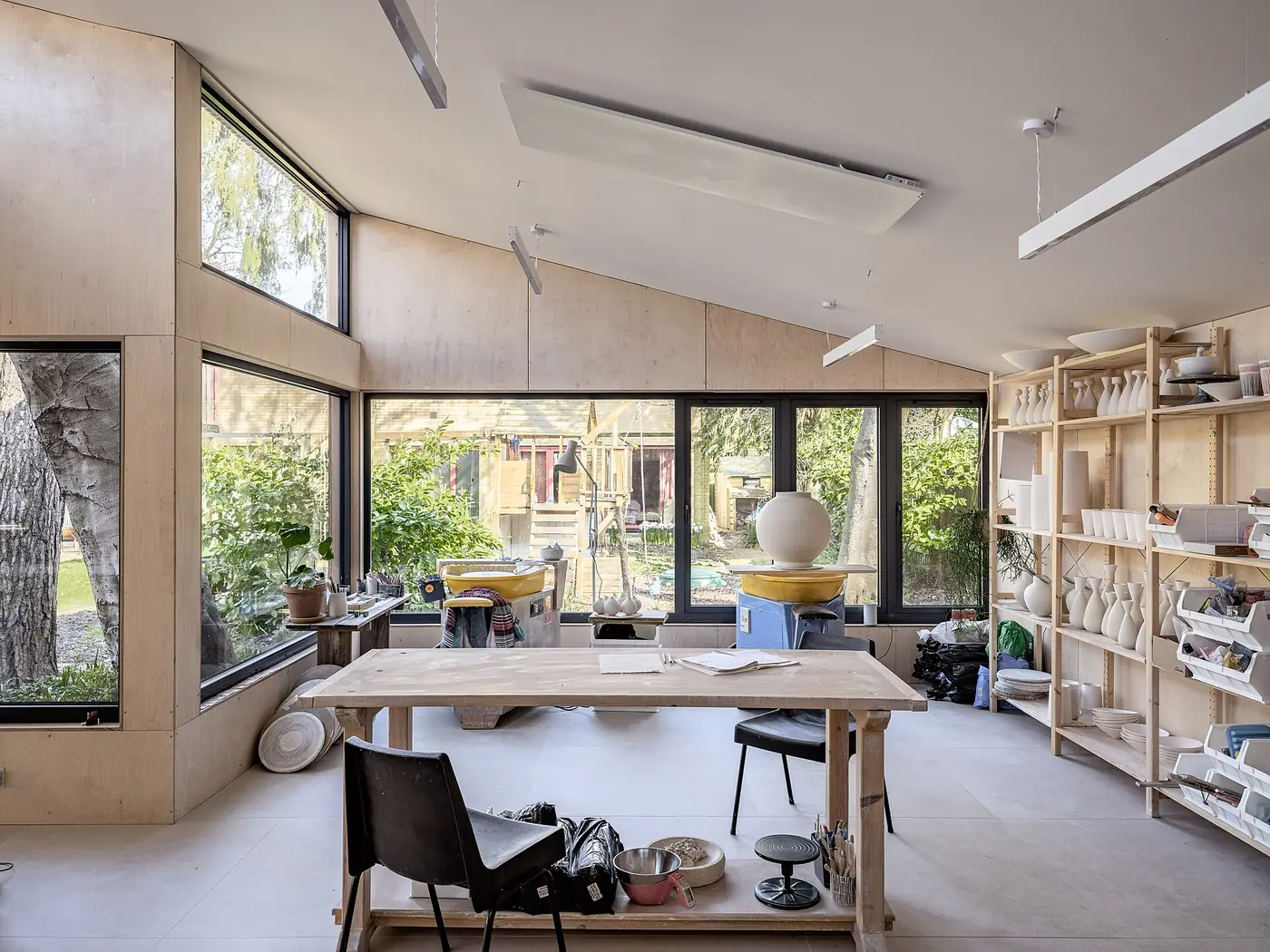
Who: artists, photographers, ceramicists, musicians, fitness and yoga instructors, dance teachers.
What they need: light, warmth and a pleasant setting. Photographers and artists value high ceilings and natural light. Fitness and music uses need sound and hours to be considered with care. Classes bring regular visitors, so parking and access matter.
Good fit for: smaller traditional buildings that have character but are awkward for modern farming.
Offices
Who: small professional firms such as accountants, architects, surveyors, designers and software businesses, plus remote and hybrid workers looking for a shared rural workspace.
What they need: heating, insulation, decent broadband, toilets, kitchen facilities, parking and a presentable approach. Offices usually need the most investment to prepare, but they also tend to command the highest rent per square foot.
Good fit for: traditional barns, stables and farmhouse outbuildings already partly converted. See farm office units.
Food, drink and farm retail
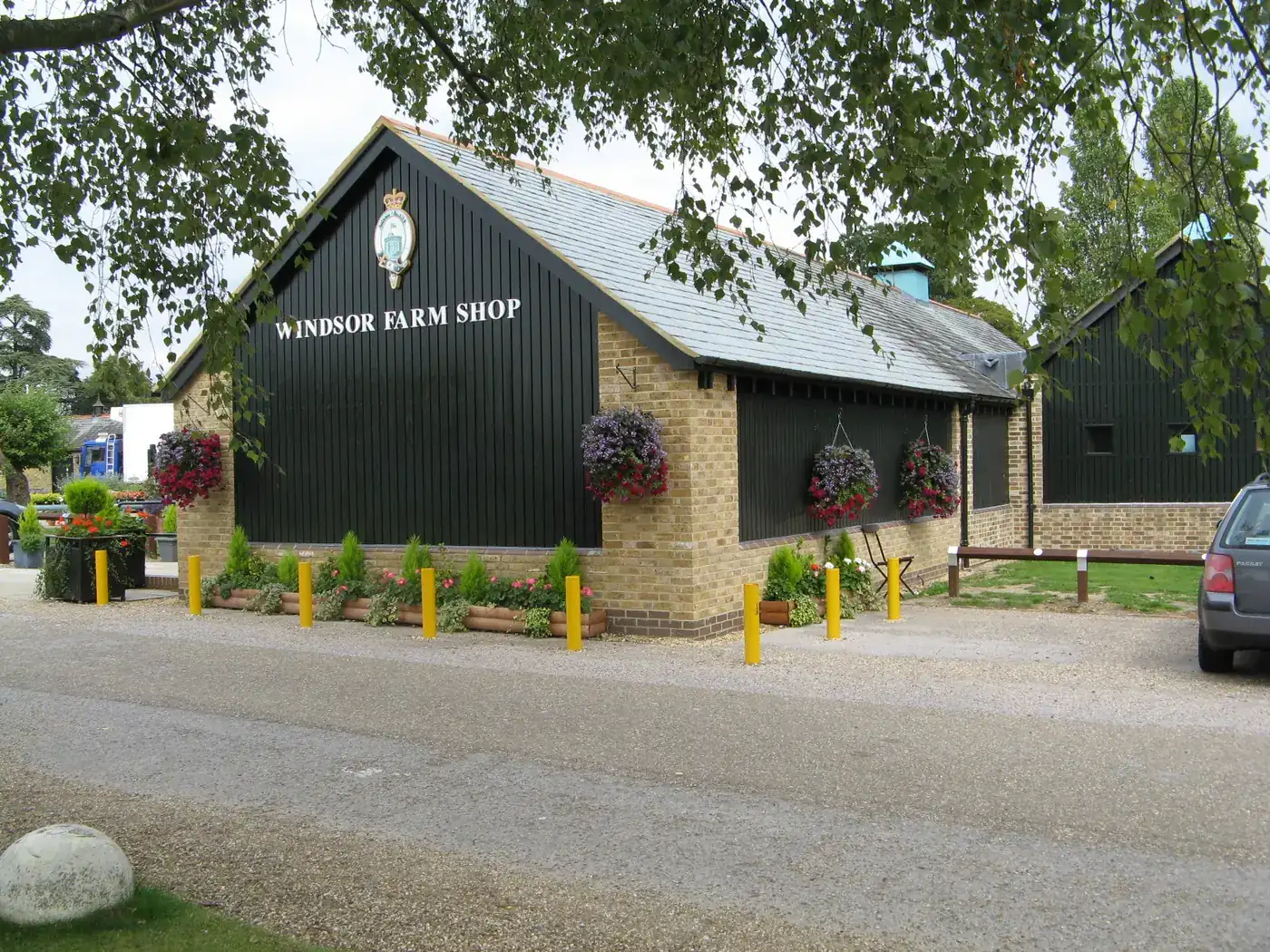
Who: craft breweries and distilleries, bakeries, butchers, cheese makers, coffee roasters, caterers and farm shop operators.
What they need: food businesses need surfaces that can be cleaned, drainage, water and power, and they must register with the local authority as a food business. Breweries and distilleries also need licensing. Retail uses need customer parking and good road access.
Good fit for: buildings near the road with space for parking. Food production often suits former dairies, which may already have drainage and washable surfaces.
Online sellers and small distribution
Who: e-commerce businesses, distributors and wholesalers who need affordable space to store and pack goods.
What they need: dry, secure storage with a door suitable for van loading, power, and ideally broadband. Courier collections will become a regular feature of the farm's day.
Good fit for: general-purpose agricultural buildings with concrete floors.
Yards and open land
Not every opportunity needs a roof. Contractors, hauliers and plant hire firms often look for a secure, surfaced yard to park vehicles and store materials. See yards to rent.
How to match your building to a tenant
Ask yourself these questions to narrow the field:
| Question | If the answer is… | Consider |
|---|---|---|
| How good is access? | Narrow lane, no turning space | Low-traffic uses: storage, studios, offices |
| Wide access, HGV-suitable | Contractors, distribution, larger workshops | |
| What power is available? | Single-phase only | Storage, offices, light crafts |
| Three-phase | Machinery-heavy workshops, fabrication | |
| How close is the farmhouse? | Very close | Quiet uses with limited hours |
| Separate yard | Noisier trades, longer hours | |
| What condition is it in? | Sound but basic | Storage, contractors, makers |
| Converted or insulated | Offices, studios, food uses | |
| How much will you spend? | Little | Let it "as is" at a lower rent |
| More | Upgrade to attract higher-value uses |
Planning and practical checks
Before agreeing a use with a tenant, check the planning position. Most commercial uses of an agricultural building need planning permission or must fall within a permitted development right such as Class R in England. Some uses, such as food production or vehicle repair, bring further licensing, environmental or safety requirements. Our step-by-step guide on how to rent out an unused farm building explains the checks.
Frequently asked questions
What can I do with an empty farm building?
Most sound farm buildings can be let for storage, workshops, studios, offices or small-scale food and drink production. The best use depends on the building's size, access, power and setting. Letting it to a local business can earn steady income and keep it maintained.
What is the easiest farm building use to start with?
Storage is usually the simplest. It needs little investment beyond a dry, secure building, brings few visitors, and suits most agricultural buildings. Planning permission or Class R may still be needed for non-agricultural storage.
Will a business tenant disrupt my farm?
That depends on the use and how you set it up. Agree access routes, hours, parking and noise limits in the lease, and separate tenant traffic from livestock and machinery where you can. Many farms run several tenant businesses alongside a working farm without difficulty.
Do I need to convert a building before I let it?
No. Many tenants, including storage users, contractors and makers, are happy with a basic, sound building at a lower rent. Conversion makes sense when it opens up higher-value uses such as offices or studios.
Next steps
Once you have a use in mind, describe the space honestly and say which uses you will consider. List your farm unit free on FarmUnits and let local businesses come to you.
This guide is general information, not planning or legal advice. Check the planning position with your local planning authority before agreeing a new use.
Photo credits
Photographs are reproduced under Creative Commons licences and have been resized and cropped.
- Bashall Barn - Home of Bowland Brewery by Anthony Parkes, licensed under CC BY-SA 2.0
- Paris - Carpenter workshop by Jorge Royan, licensed under CC BY-SA 3.0
- Okopod - Pottery Studio by Lorna Satchell, licensed under CC BY 4.0
- Windsor Farm Shop, Royal Farms by Josie Campbell, licensed under CC BY-SA 2.0
- Manor Farm business units by Philip Jeffrey, licensed under CC BY-SA 2.0


