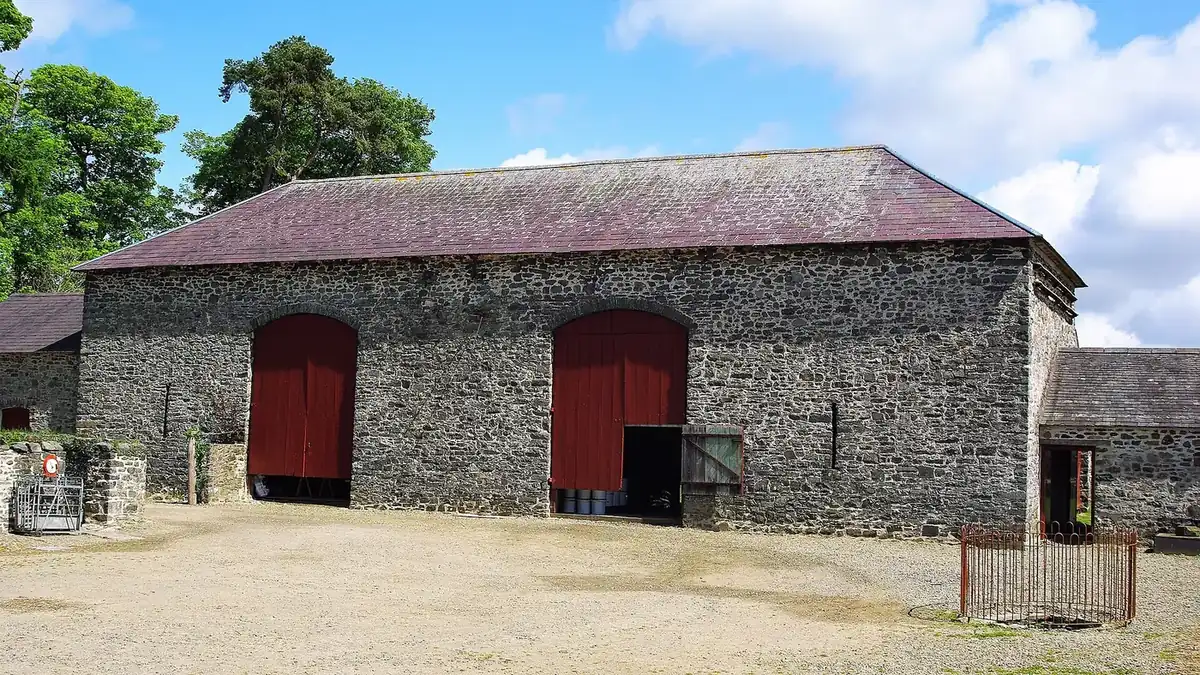
In short: barns and agricultural buildings are often the largest and cheapest covered spaces you can rent locally. They suit bulk storage, contractors, vehicle storage and businesses that need height and big doors. Because they were built for farming, check the building's condition, security, services, access and planning use carefully before you agree to rent.
Types of farm building you will find
| Building | Typical features | Often suits |
|---|---|---|
| Steel portal-frame building | Clear span, high eaves, concrete floor, sheeted walls, large doors | Storage, contractors, workshops, distribution |
| Dutch barn | Curved or pitched roof on steel columns, often open-sided | Hay, straw, vehicle and materials storage once enclosed |
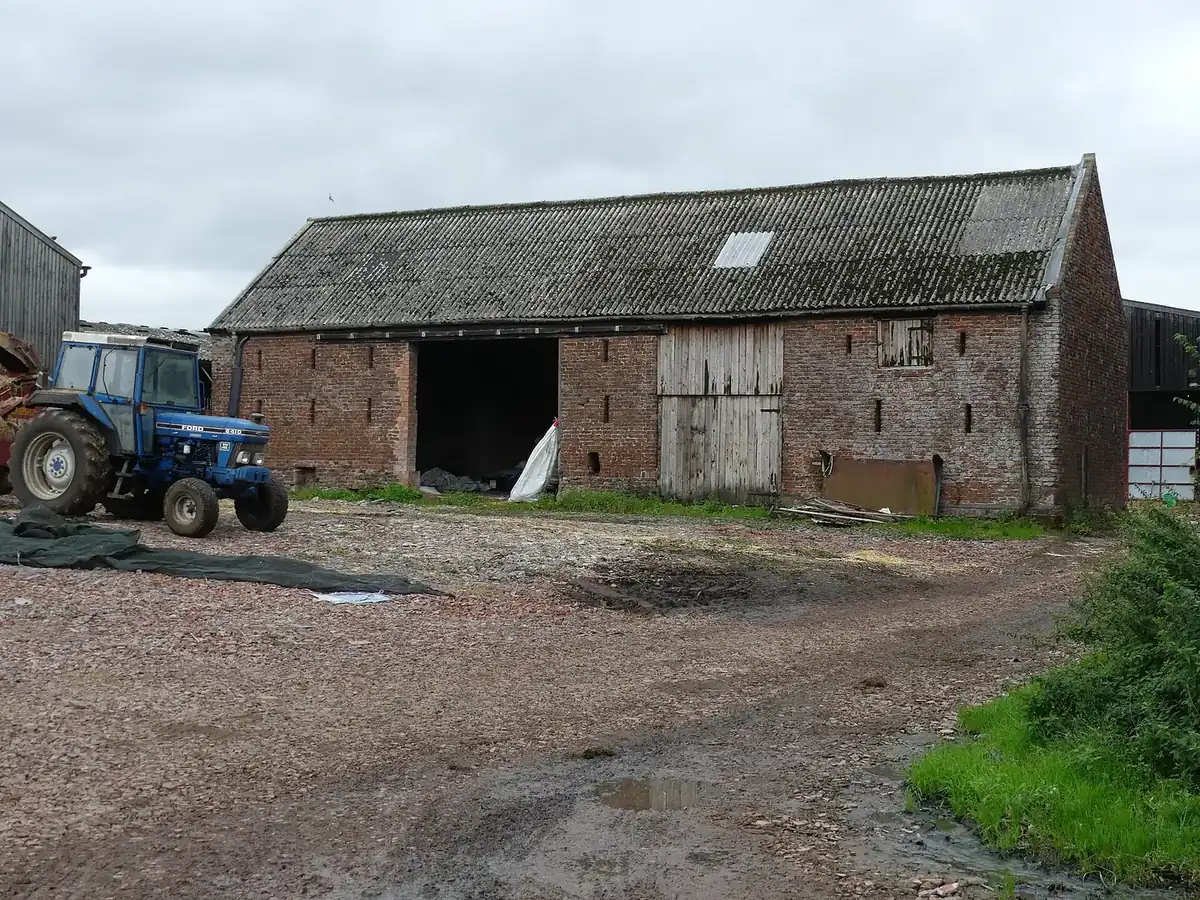
| Traditional brick, stone or flint barn | Thick walls, timber roof, large cart doors, character | Studios, offices, quieter crafts, events (after conversion) |
| Timber-framed barn | Weatherboarded walls, often listed | Storage or careful conversion; listed status restricts changes |
| Former livestock buildings | Concrete floors, drainage, low walls | Storage, workshops or food production once cleaned |
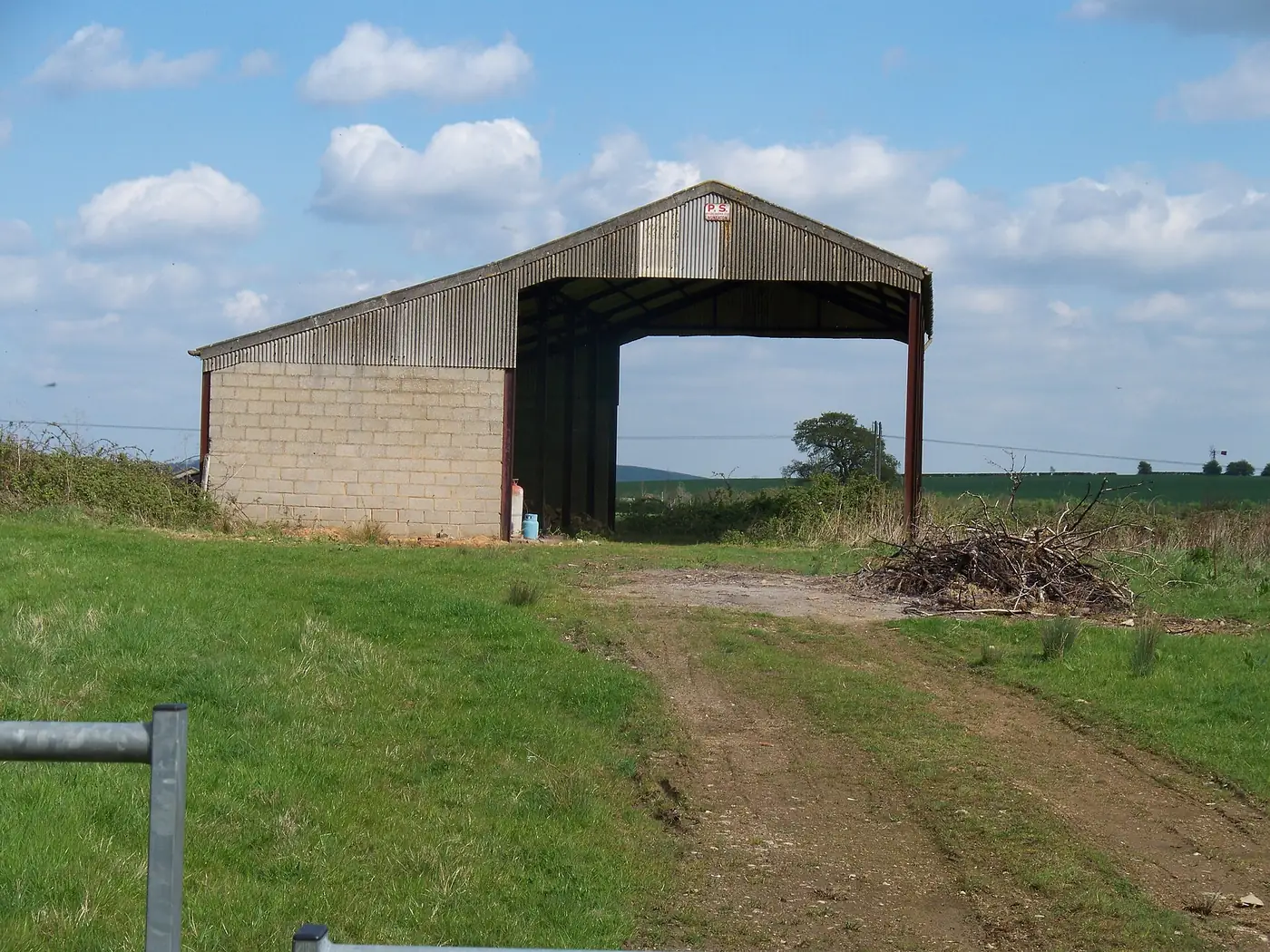
What to check on a viewing
- Roof and walls: look for missing or damaged sheets, leaks and gaps. Ask whether roof sheets contain asbestos and whether there is an asbestos register.
- Floor: concrete is best for most uses. Earth or rubble floors suit only some storage.
- Doors and security: can the building be locked? Open-fronted barns may need gates or cladding.
- Size and height: measure the floor area, eaves height and door openings against your needs.
- Services: check for electricity, lighting and water. Many barns have none, or only a basic supply.
- Access and separation: check the route in, turning space and how your area is kept separate from livestock, machinery and grain handling.
- Dust, noise and smells: working farms can be dusty at harvest, noisy during grain drying and smelly during muck-spreading.
Planning and listed buildings
Agricultural buildings are generally only authorised for agricultural use. Using one for business storage, a workshop or another commercial use usually needs planning permission or a permitted development right. In England, Class R allows changes to a range of commercial uses within size limits and with prior approval for larger buildings, but listed buildings are excluded. If the barn is listed, alterations such as new doors, windows or partitions need listed building consent. Ask the owner what permissions are in place.
What does renting a barn cost?
Large, basic barns are among the cheapest covered spaces per square foot. The price rises with security, a concrete floor, power and good access. Many owners will improve a building, for example by adding doors, lighting or cladding, in return for a longer agreement or a higher rent. Check the total cost including business rates, electricity and insurance.
Have a barn to let?
Spare barns can earn a steady income from local businesses. Start with our guides on preparing a farm building for a tenant and setting an asking rent, then list your barn free. Describe the building honestly, with clear photographs of its condition, size and access.
Frequently asked questions
Can I rent a barn for storage?
Yes. Storage is the most common use of let barns. Make sure the barn is dry, can be secured and has the access you need. The owner should confirm that storage use is permitted.
Do I need planning permission to use a barn for my business?
The building needs to be authorised for your use. That is usually the owner's responsibility before letting, but it affects you if the council takes enforcement action. Ask what permission or permitted development right applies.
Can I rent a barn for events or parties?
Occasional events may be possible, but regular events usually need planning permission, licensing, fire safety measures and insurance. Discuss your plans with the owner and the local council.
Can I convert a rented barn myself?
Only with the owner's written consent and any planning, building regulations or listed building consent needed. Agree in the lease who pays for improvements and what happens to them when you leave.
Photo credits
Photographs are reproduced under Creative Commons licences and have been resized and cropped.
- Threshing Barn by Kevin Waterhouse, licensed under CC BY-SA 2.0
- Dutch barn by Michael Dibb, licensed under CC BY-SA 2.0
- Threshing barn at Shotwick Hall by Dave.Dunford, licensed under CC BY-SA 4.0


