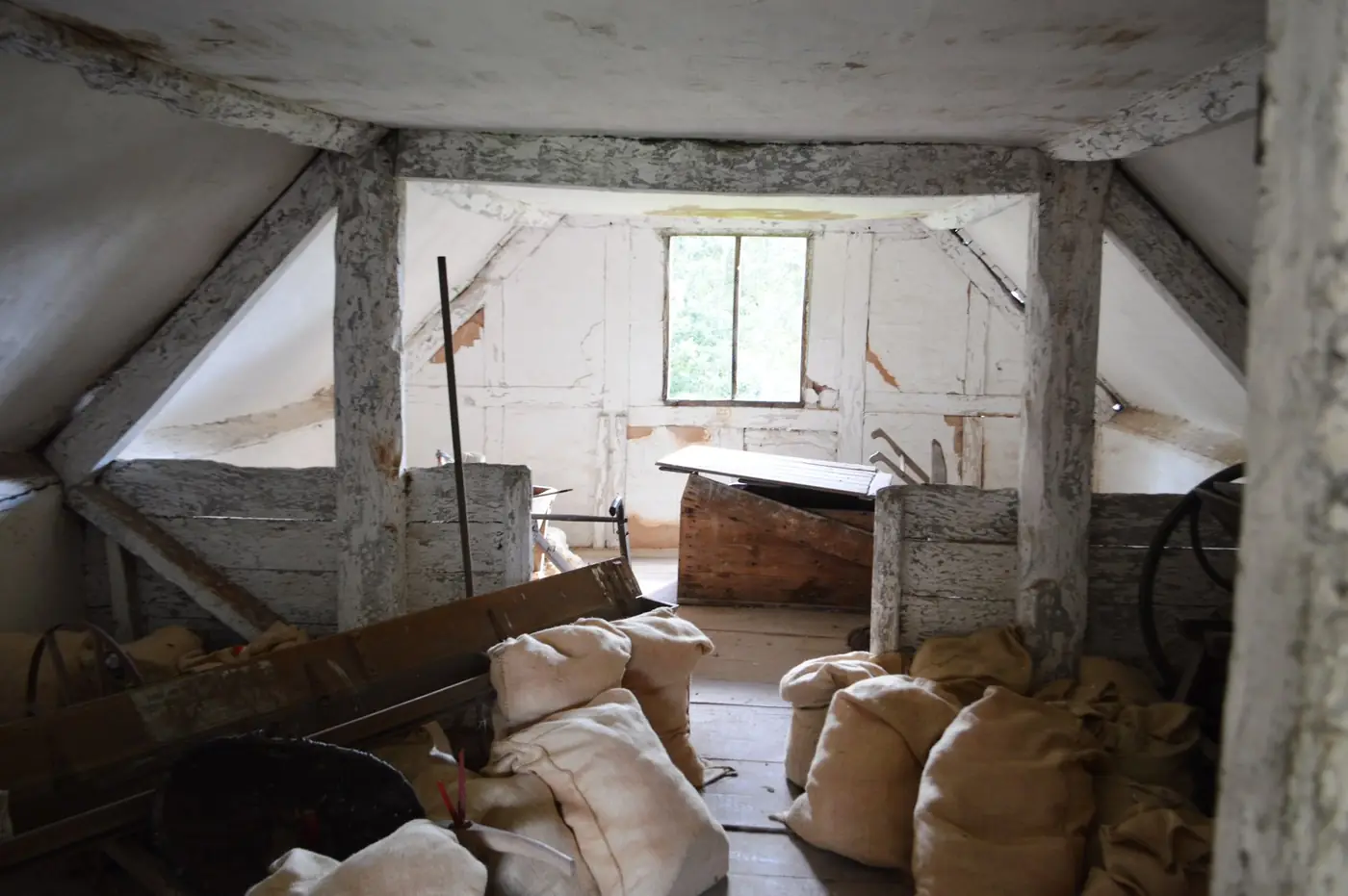
In short: before a tenant moves into a farm building, make sure it is:
- clear and clean;
- weathertight and secure;
- safe, with checked electrics, a fire risk assessment and any asbestos identified and managed;
- documented, with an energy performance certificate where one is needed, insurance in place, and a record of its condition.
You do not need to convert the building. Most business tenants want a sound, safe and honest space, and they will pay more for one that is ready to use.
Use this checklist in order. It starts with the jobs you can do yourself this weekend and finishes with the paperwork to have ready before you sign a lease.
1. Clear out and clean
- Remove old machinery, feed, bags, scrap and anything you do not intend to leave for the tenant.
- Dispose of old agrochemicals, oils, fuel and veterinary products through a licensed waste carrier. Do not leave them for a tenant to find.
- Sweep and, where possible, pressure-wash floors and walls.
- Deal with rodents and birds, and block entry points.
- Clear gutters, downpipes and drains.
- Remove or make safe redundant fittings such as feed hoppers, gates, pens and brackets.
A clean, empty building photographs better and lets prospective tenants picture their own business inside it.
2. Make it weathertight and sound
- Replace broken or missing roof sheets and fix leaks.
- Repair or replace doors so they open, close and lock properly.
- Check walls, cladding and windows for holes and damage.
- Check the floor is sound, level enough for the intended use, and free of trip hazards.
- Ask a builder or surveyor to look at any structural concern, such as cracked walls, sagging timbers or corroded steel.
3. Electrics
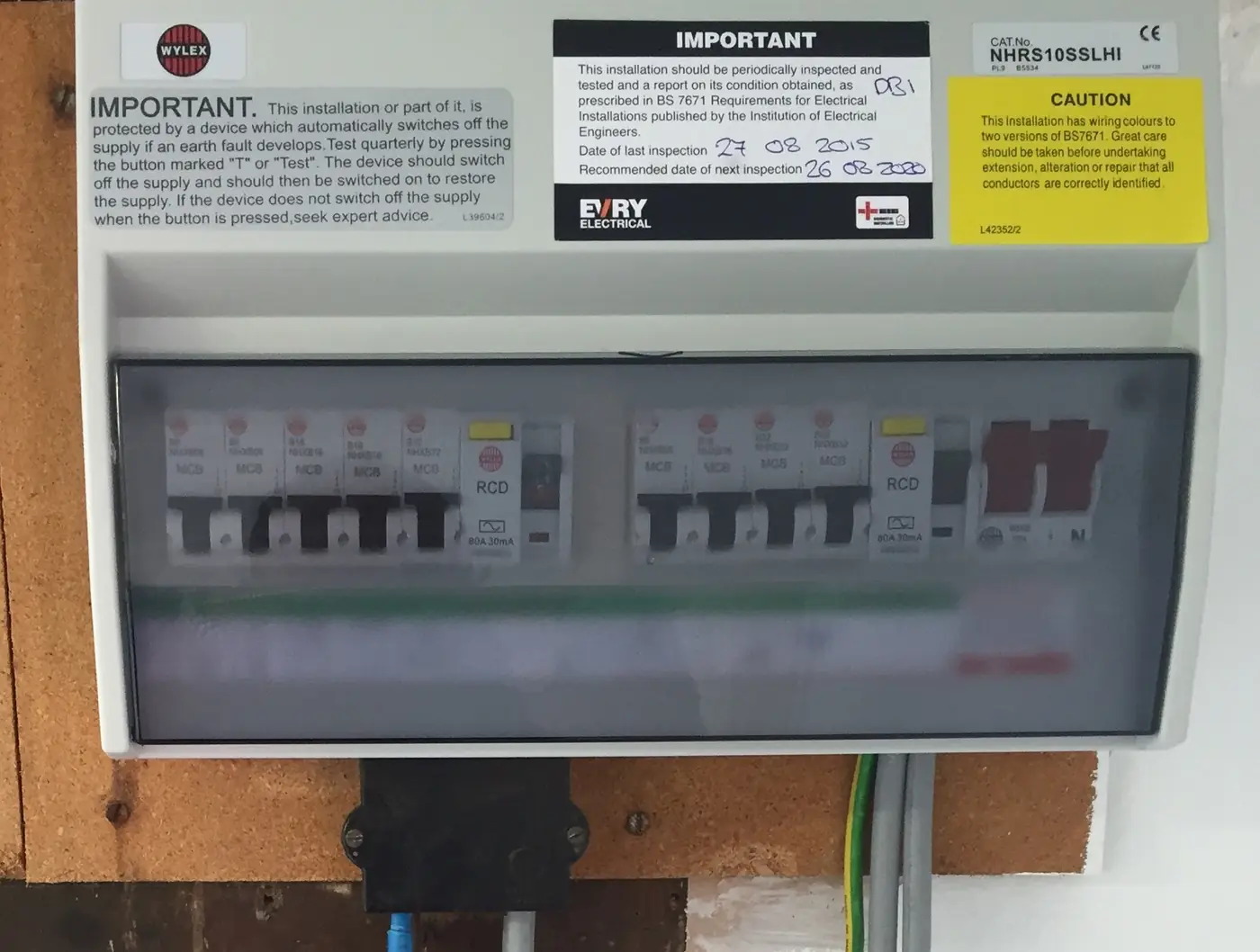
Farm wiring is often old, has been extended piecemeal, and is exposed to damp and vermin.
- Commission an Electrical Installation Condition Report (EICR) from a registered electrician, and carry out any remedial work it identifies.
- Make sure circuits have suitable RCD protection.
- Decide whether the unit needs its own supply or a sub-meter so electricity can be charged fairly.
- Record whether the supply is single-phase or three-phase. Tenants with machinery will ask.
Under the Electricity at Work Regulations 1989, electrical systems in workplaces must be maintained to prevent danger. Periodic inspection of commercial installations is commonly recommended every five years, and more often for industrial or agricultural environments. See HSE's electrical safety FAQs.
4. Fire safety
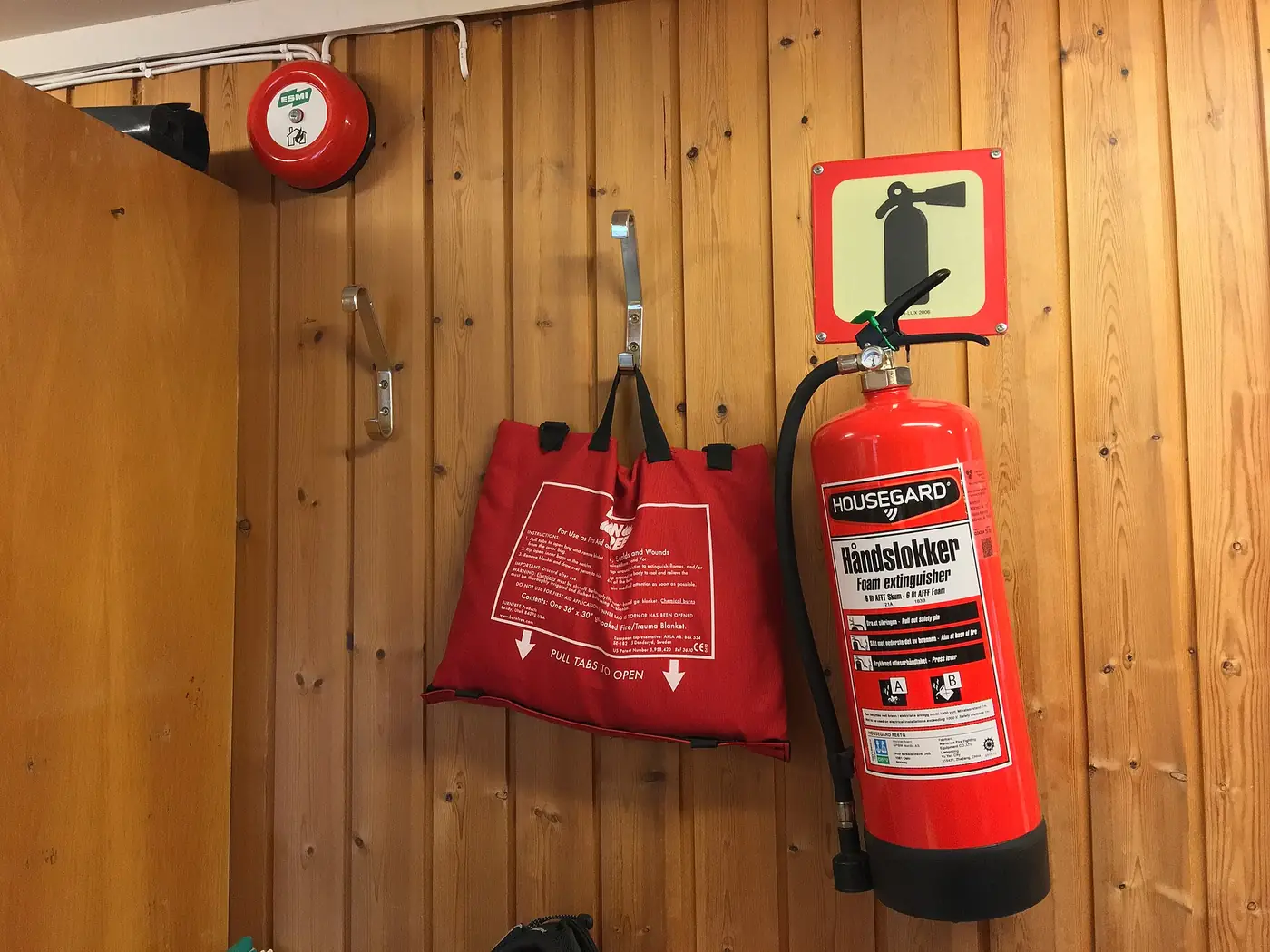
In England and Wales, the Regulatory Reform (Fire Safety) Order 2005 requires a fire risk assessment for non-domestic premises. The person in control of the premises must carry it out and record its findings. Where a tenant controls their own unit, they are usually responsible for it, and you remain responsible for any shared areas. Scotland has equivalent duties under the Fire (Scotland) Act 2005.
- Carry out or commission a fire risk assessment for the building and any shared areas.
- Provide suitable fire extinguishers, and a fire alarm or detection where the assessment calls for it.
- Keep escape routes and exits clear, and make sure doors can be opened from inside without a key.
- Remove stored hay, straw, fuel and other combustibles from next to the let building.
- Agree in the lease who is responsible for fire safety in the unit.
GOV.UK has guidance on fire safety responsibilities in the workplace.
5. Asbestos
Asbestos cement roof sheets and cladding are common in farm buildings built before 2000. Under the Control of Asbestos Regulations 2012, whoever is responsible for maintaining non-domestic premises has a duty to manage asbestos. That means finding out whether it is present, assessing its condition, keeping a record and telling anyone who might disturb it.
- Commission an asbestos survey for any building put up before 2000, unless you already have one.
- Keep an asbestos register and management plan, and give a copy to the tenant.
- Make sure the lease says who manages asbestos and that tenants must not drill, cut or alter suspected asbestos materials.
Undamaged asbestos cement is often best left in place and managed. Do not disturb it yourself. See HSE's asbestos guidance.
6. Energy performance certificate
- Find out whether the building needs an EPC. Most buildings must have one before they are marketed for letting. A building with no heating or cooling does not usually need one, and nor do some low-energy agricultural and workshop buildings or standalone buildings under 50 m².
- If an EPC is needed, check the rating. In England and Wales, the minimum energy efficiency standards prevent most non-domestic lettings with an EPC rating below E, unless a valid exemption is registered.
In June 2026 the government confirmed it will not introduce the previously proposed EPC C requirement for 2027. Instead it intends a higher standard for larger buildings over 1,000 m² from 2031. Most small farm units are expected to stay at the current E minimum (see our news article on the dropped 2027 EPC target). See GOV.UK's EPC guidance for commercial property and the minimum energy efficiency standard guidance.
7. Water, drainage and welfare
- Check the water supply works, and decide whether it will be metered or charged with the rent.
- If you provide water systems such as taps, tanks or a water heater, carry out a legionella risk assessment.
- If the farm has a private water supply, check whether the local authority needs to know about a new commercial user.
- Check the drainage, septic tank or treatment plant can cope with the extra use.
- Consider providing or sharing a toilet and hand-washing facilities. Many tenants will need them for their own staff.
- Have any gas appliances checked and serviced by a Gas Safe registered engineer.
8. Access, parking and farm safety
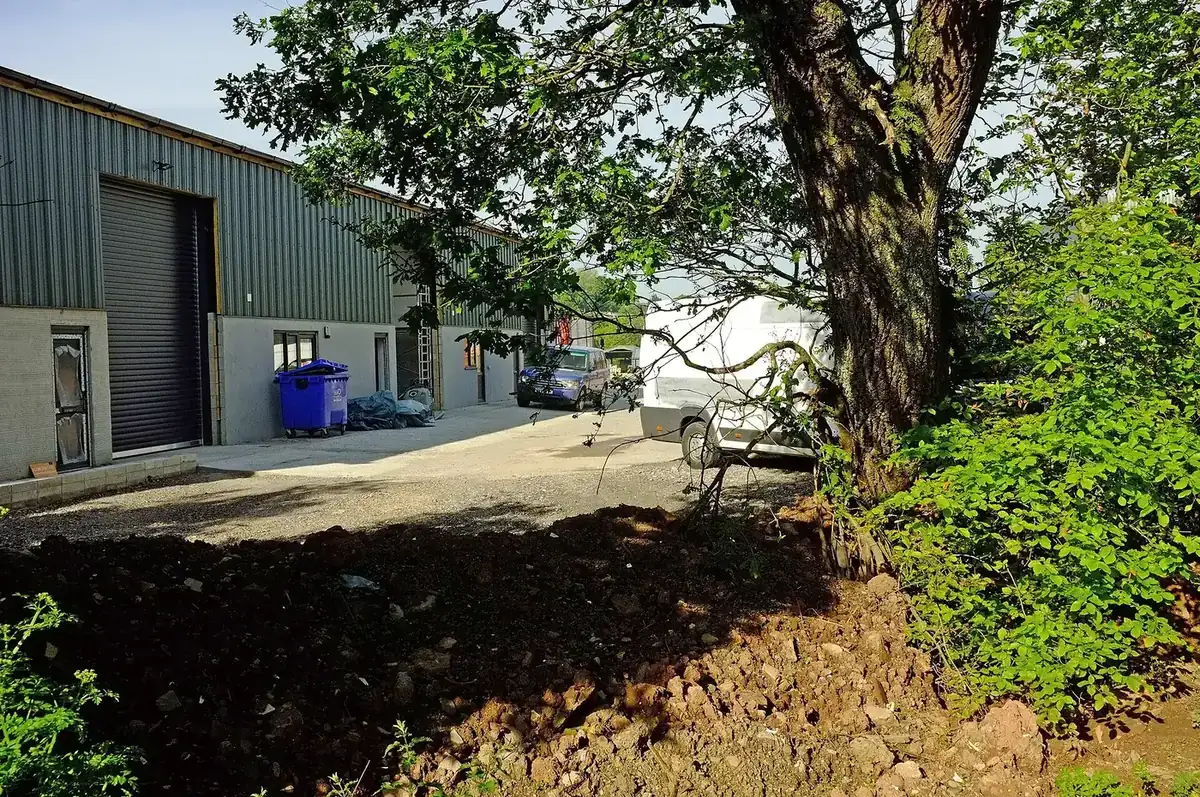
- Decide which route tenants and their visitors will use, ideally away from livestock, slurry stores and machinery.
- Mark out parking and any turning space for vans or lorries.
- Make sure gates, cattle grids and the access track are safe for regular use.
- Consider signs for the unit, speed limits on the track and any no-go areas.
- Think about biosecurity if visitors will pass near livestock.
9. Security
- Fit good locks to doors and roller shutters.
- Consider security lighting, alarms or CCTV. If cameras cover tenants or visitors, data protection rules apply.
- Agree who holds keys and how out-of-hours access will work.
10. Insurance and paperwork
- Tell your insurer about the letting. Arrange buildings insurance for the let building, and check your public liability cover for the farm.
- Ask the tenant to insure their own contents and to hold public liability cover for their business.
- Check the planning position for the intended use (see how to rent out an unused farm building).
- Prepare a schedule of condition with dated photographs, to attach to the lease.
- Take meter readings on the day the tenant moves in.
- Gather the documents a tenant's solicitor may ask for: EICR, fire risk assessment, asbestos register, EPC or exemption, and any planning consent.
Before the first viewing
- Take daylight photographs of the outside, entrance, interior, floor and access.
- Measure the floor area, door width and height, and eaves height.
- Set your asking rent (see how to set an asking rent for your farm unit).
- List the unit on FarmUnits with the details above.
Frequently asked questions
Do I need an EICR to let a commercial farm building?
No specific law requires an EICR for a commercial letting. However, electrical systems in workplaces must be maintained to prevent danger, and an EICR is the usual way to show that. Many tenants, insurers and solicitors will expect one.
Does a farm building need an EPC before it can be let?
Usually, if it is heated or cooled. Buildings with no heating or cooling, some low-energy agricultural and workshop buildings, and standalone buildings under 50 m² are generally exempt. Where an EPC is needed, most lettings in England and Wales require a rating of at least E.
Who is responsible for fire safety in a let farm unit?
The person in control of the premises. That is usually the tenant for their own unit and the landlord for any shared areas. A fire risk assessment must be carried out and recorded. The lease should make responsibilities clear.
What should I do about asbestos roof sheets?
Find out what is there with a survey, record it, and manage it. Asbestos cement in good condition is often safest left in place and checked periodically. Tell your tenant where it is, and make sure no one cuts, drills or breaks it.
How much should I spend preparing a building to let?
Enough to make it safe, secure and weathertight. Beyond that, extra spending such as insulation, heating or new windows is a commercial decision. Weigh the cost against the higher rent and wider range of tenants it would bring.
This checklist is general information, not legal or professional advice. Requirements differ between England, Wales, Scotland and Northern Ireland, and between types of building.
Photo credits
Photographs are reproduced under Creative Commons licences and have been resized and cropped.
- Inside the Granary by John M, licensed under CC BY-SA 2.0
- RCD Protection Consumer Dual Split-Load by Evry Electrical, licensed under CC BY 4.0
- Fire foam extinguisher (håndslokker, brannslukningsapparat, pulverapparat, skumapparat, type HOUSEGARD) on wall in a primary school in Eikelandsosen, Fusa, Norway. Also fire alarm, sign, fire blanket (brannteppe). 2018-03-23 A by Wolfmann, licensed under CC BY-SA 4.0
- Ruby Farm Industrial Units by Derek Harper, licensed under CC BY-SA 2.0


