In short: on 18 June 2026 the government confirmed it will not introduce the proposed requirement for let commercial buildings in England and Wales to reach EPC C by 2027. Instead, it intends to require EPC B from 2031 for buildings over 1,000 square metres, where cost-effective. Buildings under 1,000 m², which includes most farm units, stay at the current EPC E minimum, with no set deadline to go further. The change still needs legislation.
What the government announced
The government's interim response on minimum energy efficiency standards (MEES) for non-domestic rented property sets out three main points:
- The 2027 EPC C milestone is dropped. It "will not be taken forward".
- Larger buildings are targeted. From 2031, private rented buildings over 1,000 m² in England and Wales would need to reach EPC B, where cost-effective.
- Smaller buildings stay at EPC E. Buildings below 1,000 m² continue to be subject to the current minimum of EPC E, with "no set deadline" to go beyond it.
Existing flexibilities, including the seven-year payback test and the exemptions, will stay in place. The higher standard for larger buildings will only take effect once secondary legislation has passed through Parliament, and the government says further detail will follow in its full consultation response.
What this means for farmers letting buildings
Most farm units, such as storage bays, workshops, small offices and individual barns, are well under 1,000 m². For them, the rules haven't changed:
- If the building needs an EPC, it must usually have a rating of E or better before it can be let, unless a valid exemption is registered on the PRS Exemptions Register.
- Many farm buildings don't need an EPC at all. Buildings with no heating or cooling, some low-energy agricultural and workshop buildings, and standalone buildings under 50 m² are generally exempt. See GOV.UK's guidance on EPCs for commercial property.
- Large buildings and multi-unit sites over 1,000 m² may face the EPC B requirement from 2031, once it becomes law. Owners of large converted ranges should start planning.
Is it still worth improving energy efficiency?
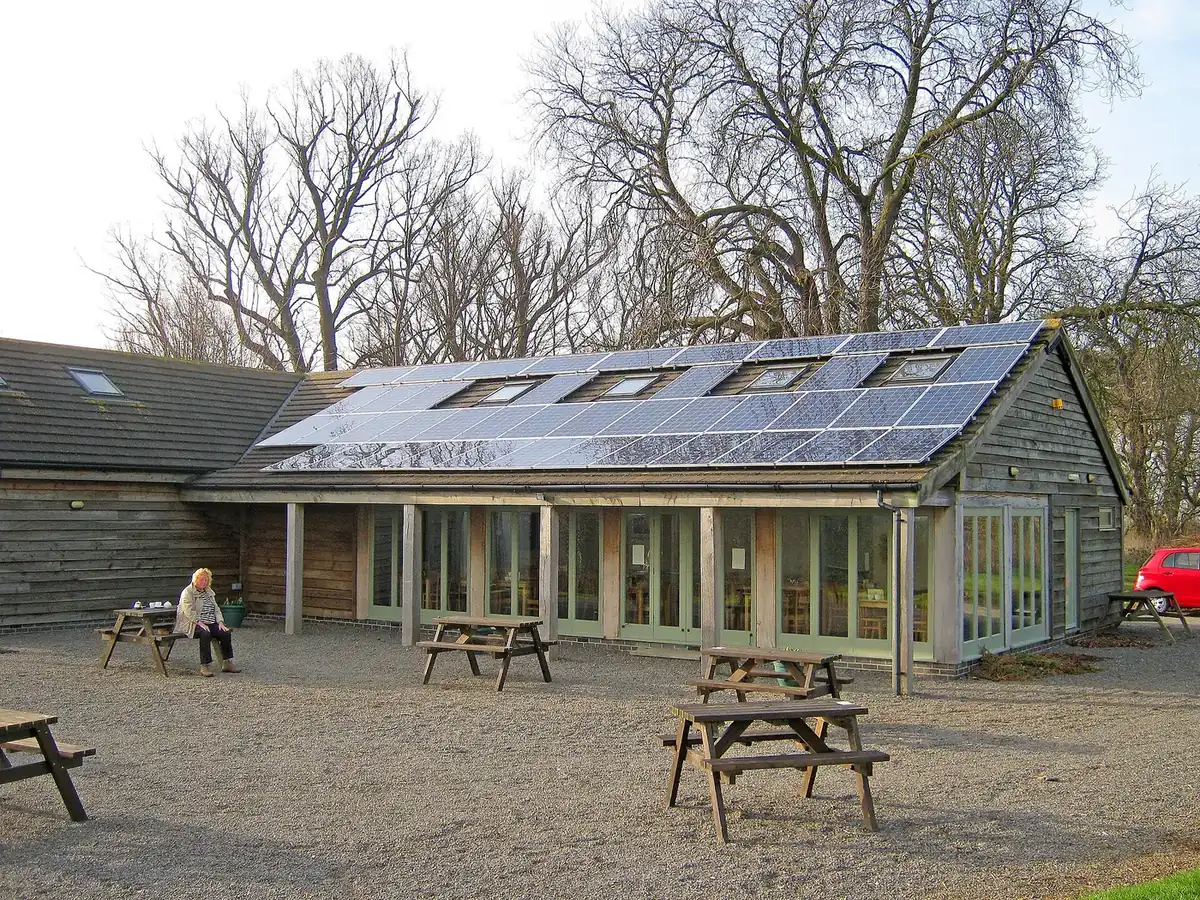
Often, yes. Insulation, LED lighting and efficient heating can make a heated office or workshop cheaper to run and more attractive to tenants. Tenants increasingly ask about running costs. Many farms have also added solar panels to large roofs, which can supply let units. Check the planning position and your lease terms on recharging electricity.
What tenants should check
If you're renting a heated office or workshop, ask the owner for the EPC, or for confirmation that the building is exempt. A better rating usually means lower heating bills. Our viewing checklist includes the EPC among the documents to ask for.
Frequently asked questions
Do commercial buildings need EPC C by 2027?
No. The government confirmed in June 2026 that the proposed 2027 EPC C milestone will not go ahead. The minimum for most lettings in England and Wales remains EPC E.
What is the new EPC B rule for 2031?
The government intends that, from 2031, private rented non-domestic buildings over 1,000 m² in England and Wales reach EPC B where cost-effective. This requires new legislation, and details are still to come.
Do farm buildings need an EPC to be let?
Only if they fall within the EPC rules. Buildings with no heating or cooling, some low-energy agricultural and workshop buildings, and small standalone buildings are generally exempt.
This article reflects the government's interim response published in June 2026. It is general information, not legal advice. Check the current guidance before letting a building.
Photo credits
Photographs are reproduced under Creative Commons licences and have been resized and cropped.
- Solar Panels at Syston Park Farm Shop by Trevor Rickard, licensed under CC BY-SA 2.0
