In short: every non-domestic property in England received a new rateable value from 1 April 2026, and bills are now calculated with five multipliers instead of two. Most small farm units have a rateable value under £51,000, so they use the small business multiplier of 43.2p. Small business rate relief still gives 100% relief at a rateable value of £12,000 or less, tapering to £15,000. Tenants should check their unit's new value, and owners should check what it means for their asking rent.
What changed on 1 April 2026
The 2026 revaluation updated the rateable value of every business property in England. Rateable values estimate the yearly rent a property could have been let for at the valuation date. A revaluation can move a unit's value up or down, which can move it into or out of a relief band.
At the same time, the government replaced the old pair of multipliers with five. The figures for 2026/27, from the government's notification of non-domestic rating multipliers, are:
| Multiplier | Applies to | Pence per £ of rateable value |
|---|---|---|
| Small business, retail, hospitality and leisure (RHL) | Qualifying RHL properties under £51,000 | 38.2p |
| Small business | Other properties under £51,000 | 43.2p |
| Standard RHL | Qualifying RHL properties £51,000 to £499,999 | 43.0p |
| Standard | Other properties £51,000 to £499,999 | 48.0p |
| High value | Properties of £500,000 and above | 50.8p |
The temporary 40% retail, hospitality and leisure relief ended on 31 March 2026. The permanently lower RHL multipliers replace it.
What it means for farm units
Storage, workshops, offices and yards. These usually fall under the small business multiplier of 43.2p. As a rough guide before reliefs, a unit with a rateable value of £10,000 would have a basic liability of £4,320 a year. A tenant who qualifies for small business rate relief would pay nothing on that unit.
Farm shops, cafés and leisure uses. Units used mainly for qualifying retail, hospitality or leisure may benefit from the lower RHL multipliers. Eligibility depends on how the property is actually used, so check with your council.
Buildings still used for farming. Agricultural land and buildings used for agriculture remain exempt from business rates. The exemption usually stops applying once a building is let for a non-agricultural business use.
Small business rate relief: unchanged thresholds
Small business rate relief still gives:
- 100% relief where the rateable value is £12,000 or less;
- tapering relief between £12,001 and £15,000.
Relief normally depends on the business occupying only one property, although there are exceptions. Because rateable values changed in April, some tenants may have gained or lost relief. Anyone near the £12,000 or £15,000 thresholds should check.
What tenants should do
- Look up your new rateable value with the find business rates service.
- Check your bill from the council uses the right multiplier and includes any relief you're entitled to.
- Apply for small business rate relief if you qualify and it isn't already on your bill.
- Challenge the valuation through the Valuation Office Agency's check and challenge process if you think it's wrong.
What owners should do
- Factor rates into your asking rent. Tenants judge a unit on its total monthly cost. A unit that qualifies for full relief is more attractive.
- Watch empty periods. Owners usually pay rates on empty units after a rate-free period of three months, or six months for industrial buildings (GOV.UK).
- Keep the description accurate. If a building's use changes, the valuation may need to change too.
Our guide on setting an asking rent for your farm unit explains how to take total cost into account.
Scotland, Wales and Northern Ireland
Business rates are devolved. Scotland, Wales and Northern Ireland have their own revaluation timetables, multipliers (called "poundage" in some nations) and relief schemes. The figures above apply to England only.
Frequently asked questions
Did business rates go up in April 2026?
It depends on the property. The revaluation changed every rateable value in England, and new multipliers apply. Some bills rose and some fell, with transitional arrangements limiting sharp increases for many properties.
What is the small business multiplier for 2026/27?
43.2p for properties with a rateable value under £51,000 that don't qualify for the retail, hospitality and leisure multipliers.
Has small business rate relief changed?
The thresholds haven't changed: 100% relief up to a rateable value of £12,000, tapering to zero at £15,000.
This article is general information about business rates in England as at October 2026, not tax advice. Check your own bill with your local council.
Photo credits
Photographs are reproduced under Creative Commons licences and have been resized and cropped.
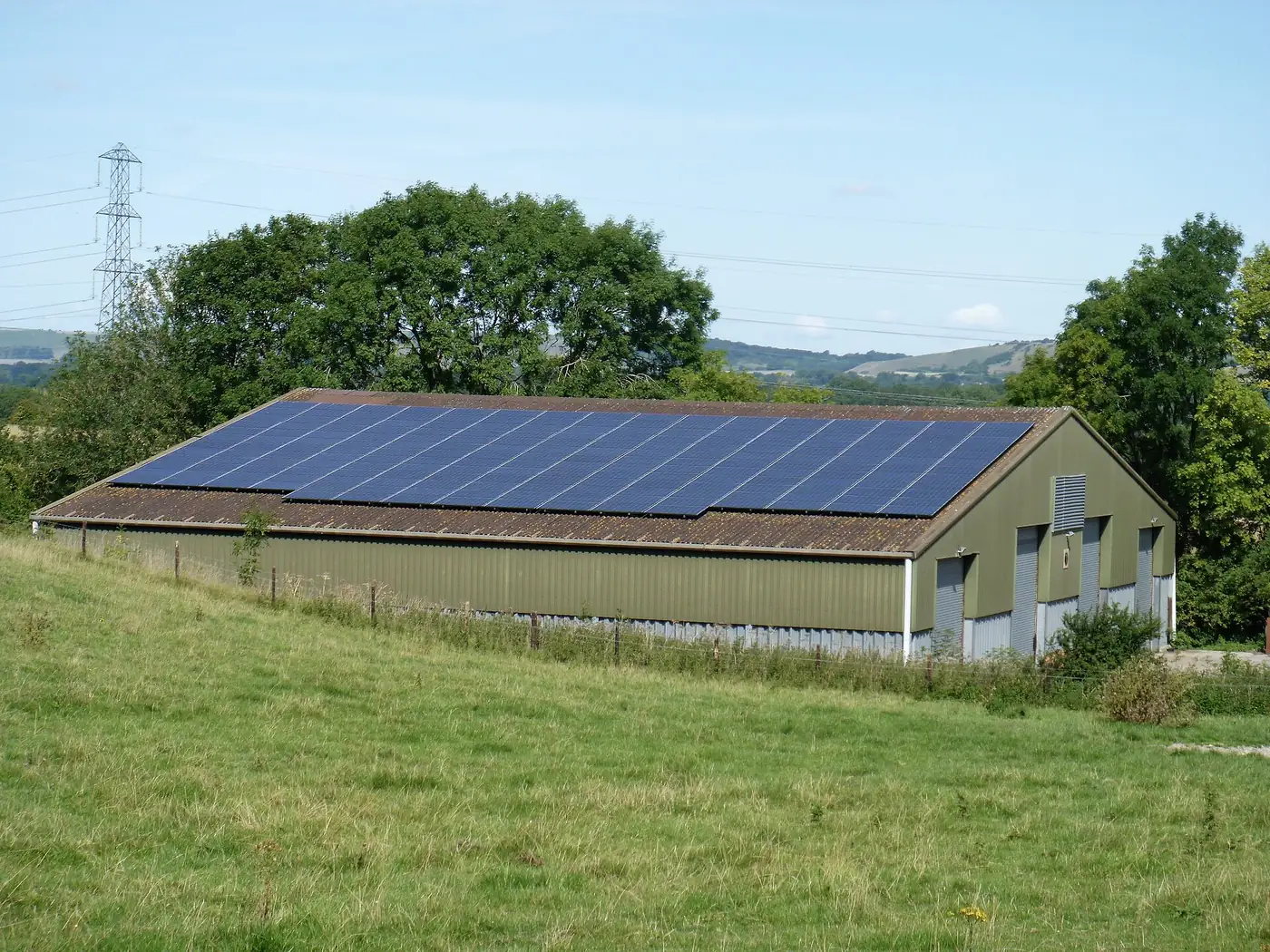
- Outlying farm buildings and yard (4) by Michael Dibb, licensed under CC BY-SA 2.0
